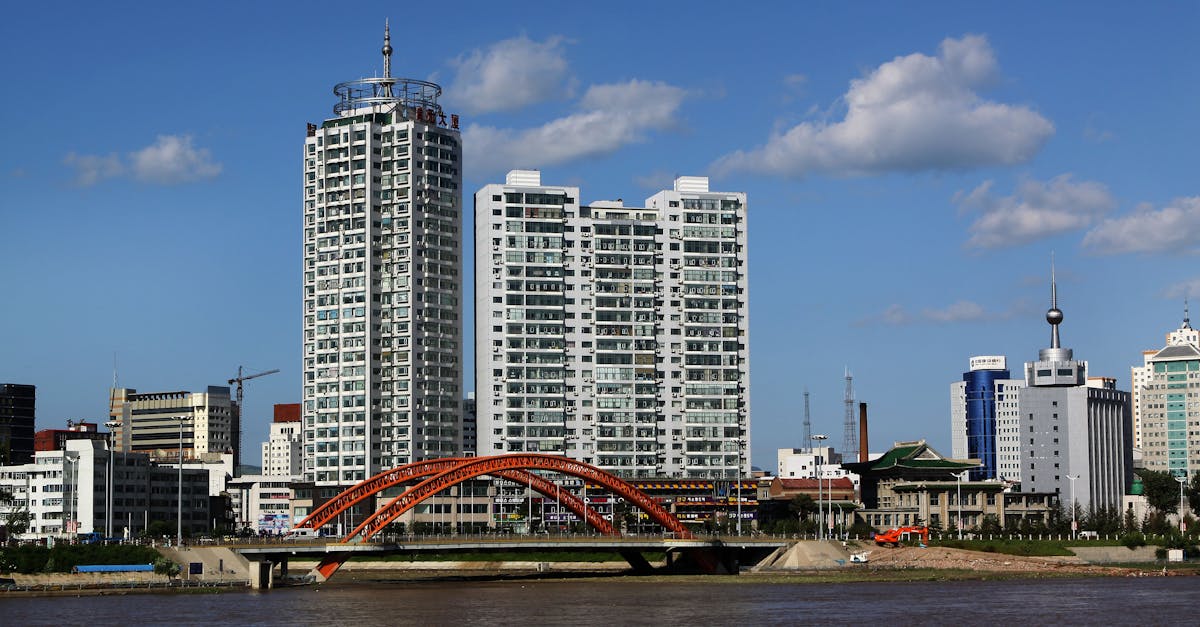
"Lake swim and rolling countryside bike in Taupo, New Zealand."
🏊 Swim
Lake swim in Taupo.
🚴 Bike
Rolling bike course in Taupo.
🏃 Run
Run through Taupo.
Transition Details
T1/T2 are in the same location · Surface: pavement
Weather
Typical: 20°C, 50% humidity.
Registration
https://example.com/ironman-70-3-taupo
The Story
Lake Taupo fills the caldera of a supervolcano. The last time it erupted — about 26,500 years ago — the explosion was one of the largest in Earth's recent geological history, sending ash into the stratosphere and reshaping the North Island of New Zealand. What it left behind is a lake of extraordinary clarity, surrounded by volcanic plateau, thermal springs, and the kind of New Zealand landscape that convinced Peter Jackson this was Middle-earth.
The swim in Lake Taupo is freshwater and volcanic-clear. At 18°C, it's cool but not brutal — the kind of temperature that sharpens your senses without shutting down your physiology. The lake is vast — the largest in New Zealand, and the largest freshwater lake by surface area in Oceania — and the swim course traces a section of shoreline that gives you views of the surrounding volcanic peaks. The water quality is exceptional: you can see several metres down, and the sandy volcanic bottom appears and disappears as the depth changes. There's a stillness to swimming in a volcanic crater that's hard to describe — the knowledge that you're moving through water held in a geological wound, surrounded by evidence of unimaginable force, creates a quiet awareness that no pool or ocean swim can replicate.
The bike heads out through the Waikato region on rolling roads with 600 metres of climbing through pastoral farmland that's as green as tourism brochures promised. New Zealand roads are quiet, well-maintained, and scenically excessive — around every corner is another postcard view of farmland, native bush, or distant volcanic peaks. The rolling terrain rewards steady riding: short climbs that punish athletes who surge, followed by descents that reward those who maintain cadence. The route passes through small towns where locals stand at their garden gates, holding signs and ringing bells. New Zealand takes its outdoor sports seriously, and the support along the bike course reflects genuine community investment.
The run traces the lakefront, with the volcanic cone of Mount Ruapehu visible in the distance — the same peak that doubled as Mount Doom in the Lord of the Rings films. On clear days, the snow-capped volcano floats above the lake like a guardian, and the running path along the shore gives you an uninterrupted view that changes with every kilometre. The New Zealand triathlon community lines the course — knowledgeable, supportive, and loud in a way that belies the country's reputation for understatement.
Taupo has been a triathlon venue since 1999. The town of Taupo (population 24,000) understands the sport intimately — it's hosted full Ironman and 70.3 events, and the local economy has shaped itself around endurance athletes. The cafés know what you want for breakfast the morning before a race. The bike shops know what you need when your derailleur starts misbehaving. The accommodation options range from lakeside lodges to camping grounds, and all of them understand that checkout time on race day is not 10am.
This is a country that produced Hamish Carter, Bevan Docherty, and Terenzo Bozzone — multiple Olympic and Ironman medallists from a population of five million. Triathlon runs deep in the New Zealand sporting DNA, and Taupo is where that culture concentrates. Racing here isn't just a triathlon — it's an immersion in a place where endurance sport is respected, the landscape is volcanic and ancient, and the post-race kebab from the lakefront food truck tastes better than any Michelin-starred meal you've ever had.
"Swimming in a volcanic crater lake while Mount Ruapehu watches from the horizon — there's no other swim in triathlon that feels like this."
"The New Zealand countryside on the bike course is so beautiful it's distracting. You have to remind yourself you're racing, not touring."
"Taupo is triathlon's best-kept secret. The course, the community, the lake — it's world-class and half the world doesn't know it exists."
"The Kiwis line the run course like it's an All Blacks match. Small country, big heart. You feel carried by the noise."
What It Feels Like
Ironman 70.3 Taupo is the scenic 70.3 — a race where the landscape commands as much attention as the competition. The volcanic crater lake swim is unique in world triathlon. The New Zealand countryside bike course is rolling, beautiful, and honestly challenging. The lakefront run provides views that no other 70.3 can match. But what elevates Taupo beyond scenery is the community: a town that understands triathlon, a country that respects endurance sport, and a race atmosphere that combines Southern Hemisphere warmth with Kiwi competitive intensity. The long journey to New Zealand is the only barrier — once you're here, you understand why people cross hemispheres for this race.
🏊 The Swim
Lake Taupo: volcanic, vast, and clear. The swim traverses a section of the world's largest volcanic crater lake in water so clean you can see the bottom in the shallows. At 18°C, wetsuits are usually permitted and welcome. The lake is typically calm — sheltered by the surrounding volcanic plateau — but on windy days, the fetch across this vast body of water can create chop. The water tastes of nothing — no salt, no chlorine, just pure volcanic filtration. There's a psychological dimension unique to Taupo: you're swimming in a supervolcano's caldera, above thermal vents that warm parts of the lake from below. The geology adds gravitas that no artificial swim course can manufacture.
🚴 The Bike
Rolling New Zealand countryside with 600m of climbing. The terrain is pastoral — green farmland, native bush, small towns, and distant volcanic peaks providing the backdrop. The roads are good by Southern Hemisphere standards: smooth tarmac, wide shoulders, and minimal traffic. The climbing comes in short, punchy efforts — 2-5 minute ramps at moderate gradients — separated by fast descents and rolling flats. There are no sustained Alpine climbs, but the accumulation of efforts over 90km is honest. The scenery changes constantly: farm gates give way to native bush, which gives way to open plateau with views of Mount Ruapehu. The final stretch back into Taupo town provides a lake panorama that's worth the entire trip.
🏃 The Run
The Taupo lakefront run is flat, scenic, and community-supported. You run along the lake shore with volcanic peaks visible in the distance — Ruapehu, Tongariro, Ngauruhoe (Mount Doom). The surface is paved, the route is well-marked, and the Taupo community lines the course with the enthusiasm of a country that punches above its weight in endurance sport. At 18°C, the temperature is near-ideal for running — no heat stress, no cold discomfort. The two-lap format means you pass the finish line once without turning in, which is always a mental challenge, but the lake views and crowd support make the second lap feel different enough to stay engaged.
Legendary Moments
Taupo Enters Triathlon
The first Ironman-distance triathlon in Taupo. The volcanic crater lake and the New Zealand landscape immediately establish Taupo as one of the world's most scenic triathlon venues.
The 70.3 Arrives
Ironman 70.3 Taupo launches, giving the venue a half-distance option that opens the volcanic lake experience to a wider field. The accessibility of the 70.3 format brings international athletes who might not commit to a full Ironman in the Southern Hemisphere.
72 Nations at the Crater Lake
Taupo draws athletes from 72 countries — extraordinary for a venue in the South Pacific. The international field reflects both the course's reputation and New Zealand's growing status as a triathlon destination.
The Perfect Conditions Edition
Glass-calm lake, clear skies revealing all three volcanic peaks, and temperatures that produce fast times across the field. Athletes post personal bests and describe it as one of the most beautiful race days in 70.3 history.
💡 Insider Tips
- → Jet lag management is crucial for international athletes. Arrive at least 4-5 days early. New Zealand is 10-12 hours ahead of Europe and 17-20 hours ahead of the US East Coast — your body clock needs adjustment.
- → The lake temperature can vary. Check the race briefing for latest conditions and have both wetsuit and non-wetsuit swim plans. Taupo is typically wetsuit-legal but it's not guaranteed.
- → The bike course's rolling terrain rewards steady effort. Don't surge on the climbs — the punchy nature of the course means the next hill is always coming. Keep power consistent and save your legs for the run.
- → Sunscreen is non-negotiable. New Zealand's UV index is exceptionally high due to the ozone layer conditions. Apply liberally and reapply in T2 — even on overcast days, the UV penetrates.
- → Explore Taupo beyond the race. The Huka Falls, the thermal areas at Wairakei, and the Tongariro Alpine Crossing are within easy reach. The post-race tourism is part of why people travel this far.
- → Bring warm layers for race morning and post-race. Taupo mornings can be cool (10°C), and the post-race drop in body temperature combined with New Zealand's changeable weather catches unprepared athletes.
Prepare for This Race
More Races in New Zealand
Queenstown · 51.5km · olympic
Christchurch · 51.5km · olympic
Wellington · 113km · half-ironman
Wellington · 51.5km · olympic
Tauranga · 51.5km · olympic
Auckland · 51.5km · olympic
FAQ
What distance is the Ironman 70.3 Taupo? +
The Ironman 70.3 Taupo is a Half Ironman / 70.3 distance triathlon: 1900m swim, 90km bike, and 21.1km run (113km total) in Taupo, New Zealand.
When is the Ironman 70.3 Taupo? +
The next edition is on December 2, 2026. The race is typically held in December.
Water temperature and wetsuit rules? +
Lake water at 18°C average. Wetsuit rules are conditional.
How hilly is the bike course? +
600m of climbing over 90km. Profile: rolling. Drafting not allowed.
What's the weather like on race day? +
15–22°C, 50% humidity, 9% rain chance, 21 km/h winds.
Average finish time? +
Approximately 5h 30m. Varies with conditions and athlete experience.
Are you the race organizer?
Claim This RaceFree · Get featured on our homepage · Edit your race details