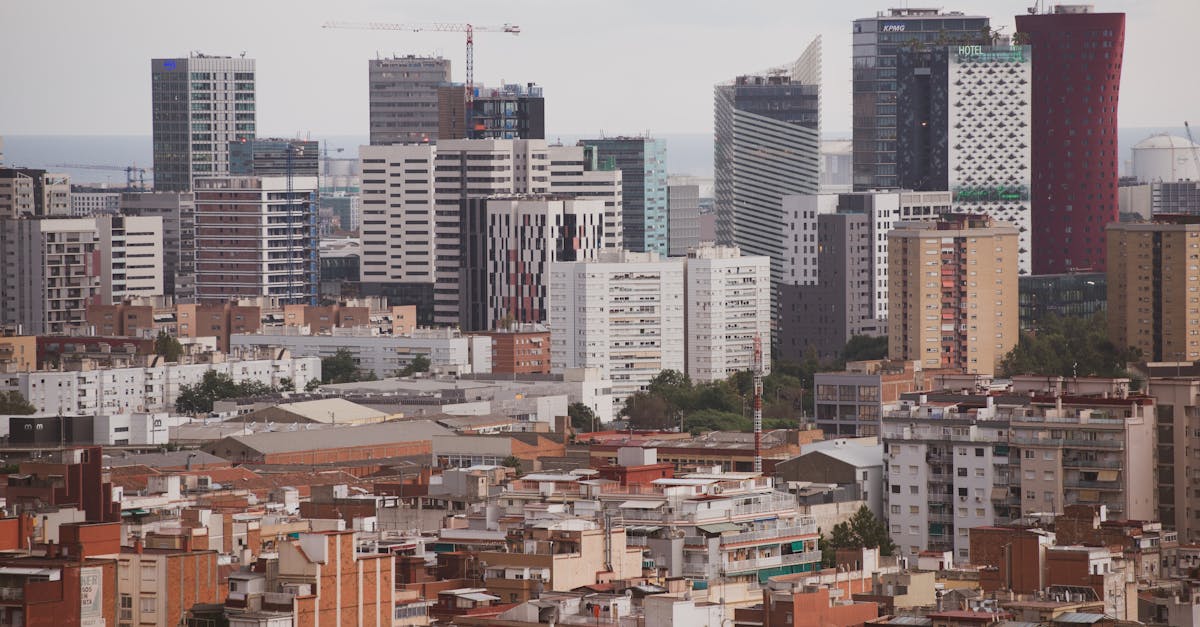
"One of the most scenic triathlon courses in the world — swim, bike, and run through the beauty of Peguera."
🏊 Swim
Ocean swim in Peguera
🚴 Bike
Hilly bike course through Peguera region
🏃 Run
Run course through Peguera
Transition Details
T1/T2 are in the same location · Surface: pavement
Weather
Typical race-day conditions: 20°C with 69% humidity.
Registration
https://www.example.com/challenge-peguera-mallorca
The Story
Challenge Peguera-Mallorca is the half-distance race that thinks it's a mountain stage. While Ironman 70.3 Mallorca stays in the gentle foothills near Alcudia, Challenge Peguera heads straight into the Serra de Tramuntana — Mallorca's UNESCO-listed mountain range — and doesn't apologise.
The contrast between the two Mallorcan half-distance races is instructive. Ironman 70.3 Mallorca gives you 600m of climbing on perfect roads through the foothills. Challenge Peguera gives you 1,200m of climbing through the actual mountains. Both share Mallorca's cycling DNA — the immaculate roads, the patient drivers, the coffee-stop culture — but Peguera takes you deeper into the Tramuntana than any other triathlon. This is the race for cyclists who chose triathlon but never stopped thinking like cyclists.
The Mediterranean swim off Peguera is sheltered and pleasant: warm enough for thin wetsuits at 18°C, calm enough to swim straight in the protected bay. The beach resort setting is deceptively gentle — families sunbathing, paddleboarders drifting, the Mediterranean at its most approachable. Then you mount your bike and turn inland, and Mallorca transforms from holiday island to cycling crucible.
Twelve hundred metres of climbing in 90 kilometres. That number doesn't fully convey what the Tramuntana does to you. The climbs are sustained — 10-20 minute efforts at 5-8% gradient on the same roads that WorldTour professional cycling teams use for their spring training camps. The hairpin bends reveal new valleys below. The mountain tunnels plunge you into cool darkness for seconds before spitting you out into blinding Mediterranean sunshine. The views back to the sea from 600 metres elevation are the kind that make you stop pedalling for a moment — just a moment, because the gradient doesn't pause when you do.
The Tramuntana roads are among the best-maintained cycling roads in the world. Smooth tarmac, clear markings, and a width that accommodates both climbing triathletes and the professional team cars that use these roads year-round. The descent is the reward — fast, flowing, and technical enough to demand your attention after hours of climbing. You earn every metre of descent by climbing every metre first.
The run returns to the Peguera beachfront, where your legs carry the memory of 1,200m of mountain climbing. The beach setting provides a finish-line contrast that's almost cruel — people sunbathing metres from athletes who've just conquered a mountain bike course that rivals any single-day cycling event in the Challenge Family calendar. The flat coastal run should be the easy part. After the Tramuntana, nothing is easy. Your quads carry the specific fatigue of sustained descending — the eccentric loading that turns downhill running into a controlled fall — and the Mediterranean heat that was pleasant at the swim start is now a factor.
Challenge Peguera-Mallorca is the hardest half-distance bike course in the Mediterranean, possibly the world. If you want Mallorca's mountains in your triathlon — not the foothills, not the approach, but the actual Serra de Tramuntana — this is the one. Pack climbing gears. Leave ego at sea level.
"The Tramuntana climbs are the same roads Team Sky uses for Grand Tour preparation. If it's hard enough for Chris Froome to train on, it's hard enough for your triathlon."
"I went to Mallorca for a triathlon and got a mountain stage. My legs didn't stop hurting for a week."
"The view from 600 metres — looking back down to the Mediterranean with hairpin bends below you — is the most beautiful thing I've seen from a bike saddle."
"Peguera is for cyclists who happen to swim and run. Alcudia is for triathletes. Both are Mallorca. Only one involves the real mountains."
What It Feels Like
Challenge Peguera-Mallorca is a cyclist's triathlon. The swim is a formality. The run is a consequence. The bike is the race. 1,200m of Tramuntana climbing on world-class roads, through UNESCO-grade mountain scenery, at gradients that test even strong cyclists — this is what makes Peguera unique. No other half-distance race on the European calendar offers this much sustained mountain cycling. Athletes who excel here are the ones who've trained like cyclists, who can climb at threshold for 20 minutes and descend at 80 km/h with confidence. The Peguera-Alcudia comparison tells you everything: same island, same cycling culture, twice the climbing, entirely different race.
🏊 The Swim
The Peguera bay swim is sheltered, warm, and forgiving — the Mediterranean at its most accessible. At 18°C in October, the water is comfortable with a thin wetsuit. The bay provides natural protection from open-sea swell, and the sandy bottom is visible in the clear water. This is not a swim that will make or break your race — it's the calm before the mountain. Use it to settle your breathing, find your rhythm, and mentally prepare for what comes next. The beach start means sand between your toes, then a gradual depth increase that lets you transition smoothly from wading to swimming.
🚴 The Bike
The hardest half-distance bike course you'll ride. 1,200 metres of climbing through the Serra de Tramuntana on roads that professional cycling teams use for Grand Tour preparation. The climbs are sustained — 10-20 minute efforts at 5-8% gradient through hairpin bends, mountain tunnels, and switchbacks that reveal new valleys below. The road surface is exceptional: smooth, well-marked, and wide enough for safe climbing. The elevation gain is concentrated — you climb hard, then descend hard, with relatively little flat riding. The descent is fast (60-80+ km/h), flowing, and technical enough to demand full concentration. The views from 600m elevation — the Mediterranean coastline below, the Tramuntana peaks above — are among the most spectacular in European triathlon. This is a bike course for strong cyclists who've trained specifically for sustained mountain climbing.
🏃 The Run
The Peguera beachfront run is flat, coastal, and psychologically jarring after the mountain bike course. Your quads carry the specific fatigue of 1,200m of climbing and the eccentric loading of the long descent. The Mediterranean setting is beautiful — beach, marina, resort promenade — but your legs don't care about scenery. The October heat (22-26°C) adds a thermal component to the fatigue. This is a run about managing mountain-bike fatigue rather than running fast — athletes who pace the Tramuntana appropriately have legs for the run; those who don't are reduced to a walk-run survival strategy.
Legendary Moments
Challenge Peguera Launches
The race debuts on Mallorca's western coast, immediately staking out territory as the harder alternative to Ironman 70.3 Mallorca. The 1,200m of Tramuntana climbing establishes the course's identity from day one.
The Tramuntana Storm
An unexpected weather front catches riders on the upper Tramuntana climbs. Rain, cold, and reduced visibility at altitude turn the descents into survival. Athletes who carry rain jackets finish; many who don't withdraw with hypothermia.
62 Nations in the Mountains
The race draws 62 nationalities — remarkable for a Challenge Family event in a Mallorcan resort town. The international cycling community's love for the Tramuntana roads drives demand from every continent.
The Fastest Descent
Perfect conditions on the Tramuntana descent produce extraordinary bike splits. Athletes hit 80+ km/h on the flowing descent back to the coast. The data confirms what cyclists have known for years: these are among the finest descending roads in Europe.
💡 Insider Tips
- → This race is won and lost on the bike. Dedicate 70% of your training to cycling — specifically sustained climbing efforts of 10-20 minutes at 5-8% gradient. If you can't climb comfortably, you can't race Peguera.
- → Practice descending at speed. The Tramuntana descent features hairpin turns at 60-80+ km/h on smooth tarmac. Confidence on the descent is worth minutes — and safety demands it.
- → Gear selection: bring a compact chainset (50/34) with at least a 28t cassette. The 8% ramps are sustained enough that running out of gears means walking. Many athletes use a 32t.
- → Carry a rain jacket in your back pocket. Tramuntana weather can change rapidly at altitude. A descent in cold rain without protection risks hypothermia — it's happened in previous editions.
- → The run will feel worse than a flat 70.3 run after the same distance. The mountain bike course creates quad fatigue that flat courses don't. Lower your run pace expectations by 10-15% compared to a flat event.
- → Stay in Peguera for the full experience. The resort town is compact, the beach is excellent, and the Tramuntana cycling roads are accessible from the hotel door. A pre-race ride on the course is worth the extra day.
Prepare for This Race
More Races in Spain
FAQ
What distance is the Challenge Peguera Mallorca? +
The Challenge Peguera Mallorca is a Half Ironman / 70.3 distance triathlon: 1900m swim, 90km bike, and 21.1km run (113km total) in Peguera, Spain.
When is the Challenge Peguera Mallorca? +
Typically held in October on a Sunday.
Water temperature and wetsuit rules? +
Ocean water at 18°C average. Wetsuits are allowed.
How hilly is the bike course? +
1200m of climbing over 90km. Profile: hilly. Drafting not allowed.
What's the weather like on race day? +
15–27°C, 69% humidity, 6% rain chance, 16 km/h winds.
Average finish time? +
Approximately 5h 30m. Varies with conditions and athlete experience.
Are you the race organizer?
Claim This RaceFree · Get featured on our homepage · Edit your race details