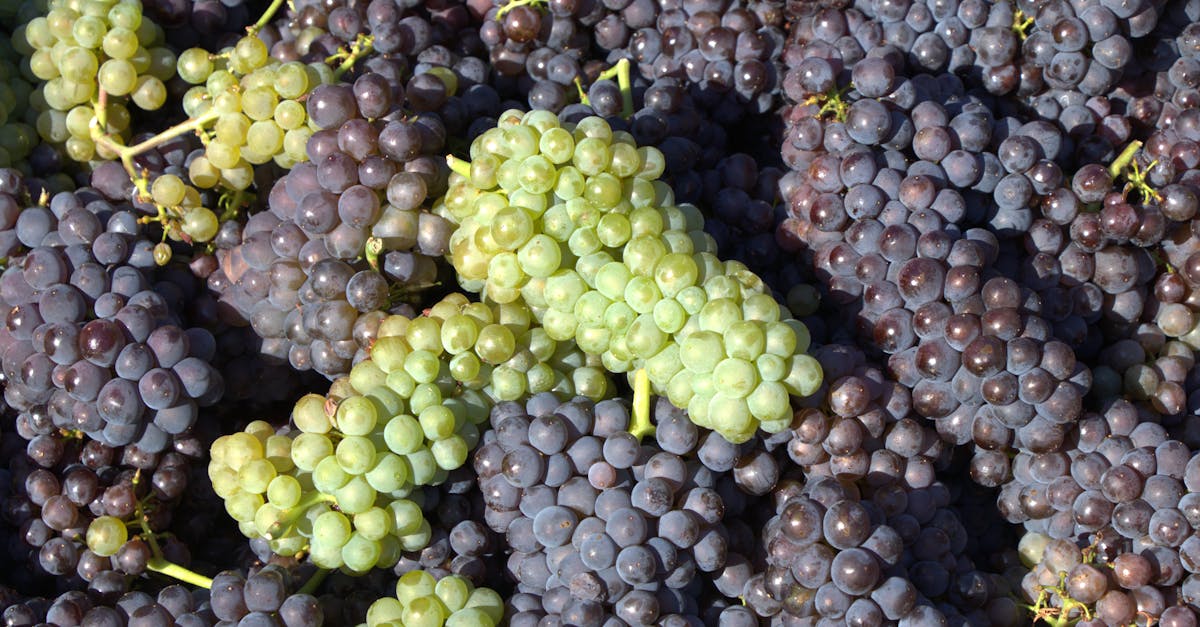
"Lake swim and mountain bike in Penticton, Canada."
🏊 Swim
Lake swim in Penticton.
🚴 Bike
Hilly bike course in Penticton.
🏃 Run
Run through Penticton.
Transition Details
T1/T2 are in the same location · Surface: pavement
Weather
Typical: 22°C, 40% humidity.
Registration
https://example.com/ironman-canada
The Story
The water in Okanagan Lake is the colour of cold tea — a deep, translucent brown-green that clears to turquoise where the morning light hits the shallows. At six in the morning in Penticton, the lake is glassy. The Okanagan Valley cradles the water between dry, sage-covered hills on both sides, the air already carrying the dusty sweetness of late-summer fruit orchards. Somewhere in the distance, a vineyard irrigation pump clicks on. This is wine country. This is also one of the oldest Ironman courses in the world.
Ironman Canada was born in 1983, just five years after the original race in Hawaii. Penticton — a small city of 37,000 squeezed between Okanagan Lake to the north and Skaha Lake to the south — won the bid because it had what the race needed: a swimmable lake, long empty roads, and a community willing to shut down its entire downtown for a day. What the organisers didn't anticipate was that the town would fall in love with the race. Forty years later, Ironman Canada is woven into Penticton's identity as deeply as the fruit stands and the wineries. Volunteers outnumber athletes. Families camp out on the run course before dawn. The finish line on Lakeshore Drive stays loud until midnight.
The swim begins in the pre-dawn chill at the north end of Okanagan Lake. The water sits around 18°C in August — cool enough that wetsuits are usually legal, warm enough that the cold is bracing rather than punishing. The single-lap course runs parallel to the shore, and the clarity of the water is startling for a freshwater lake. You can see your hand pulling through each stroke for the first few hundred metres before the depth swallows the light. The swim is honest: no currents to fight, no significant chop on calm mornings, just 3.8 kilometres of steady effort with the sun rising behind the eastern hills.
Out of the water and onto the bike, and the character of the race changes completely. The 180-kilometre course heads south out of Penticton, then west and north through the rolling hills of the Okanagan wine country. The 1,600 metres of climbing is real. This is not a flat course with a few bumps — this is a hilly course with sustained gradients that punish anyone who hasn't trained their climbing legs. Richter Pass is the signature effort: a long, grinding ascent through switchbacks above the valley floor, the vineyards and orchards shrinking below as the road climbs toward the dry grasslands above. The descent rewards the climbing with sweeping curves and open views that stretch to the US border. The roads are well-maintained, the shoulders are wide, and the Canadian drivers are unfailingly polite — even the ones stuck behind a pace line of age-groupers on a two-lane highway.
The run is the release. After the climbing, the lakeside marathon feels almost gentle — 150 metres of elevation gain across the full 42.2 kilometres, most of it concentrated in a single rise through the residential streets above Skaha Lake. The course threads through Penticton's downtown, along the lakeshore path, past the beach where families are grilling dinner, and back through Main Street where the crowd noise bounces off the brick facades of century-old buildings. The late-afternoon light in the Okanagan is extraordinary — a golden, amber quality that makes the surrounding hills glow like embers. By the time you reach the finish line on Lakeshore Drive, the town has been cheering for twelve hours and shows no sign of stopping.
What makes Ironman Canada endure is its authenticity. This is not a slick, corporate production dropped into a resort town. This is a community event that happens to be one of the hardest single-day endurance races on earth. The 54 countries represented on the start line come for the course and the qualification slots. They come back for Penticton.
"Penticton doesn't host Ironman — Penticton is Ironman. The whole town becomes the race. You can't buy that kind of community support; it has to grow over forty years."
"Richter Pass sorts the pretenders from the prepared. You either trained your climbing legs or you're walking before the summit."
"The Okanagan in August is a special place. You finish a race that nearly broke you and then someone hands you a glass of local Pinot Noir on the beach. It's the most Canadian thing imaginable."
What It Feels Like
Ironman Canada is a climbing race wrapped in small-town warmth. The swim is calm and cold. The bike is the exam — 1,600 metres of honest climbing through one of North America's most beautiful wine regions. The run is the reward — flat, scenic, and supported by a community that has been doing this for forty years. The 12:24 average finish time reflects the bike's difficulty; the 10% DNF rate reflects the cost of underestimating Richter Pass. Come prepared for the hills and Penticton will give you the race of a lifetime.
🏊 The Swim
Okanagan Lake in August is a cold-water swimmer's reward — 18°C, calm, and clear enough that your hand stays visible through each pull for the first hundred metres. The single-lap course hugs the shoreline, and the protected valley setting means significant chop is rare. The water has that distinctive interior-lake feel: no salt, no swell, just a slight mineral taste and a temperature that keeps your effort honest without ever threatening your core. Sighting is straightforward against the eastern hills. This is a swim that gets out of the way and lets the bike define your day.
🚴 The Bike
The 1,600 metres of climbing is the defining feature of Ironman Canada. Richter Pass is the centrepiece — a sustained climb through switchbacks above the valley, with gradients that hold 5-7% long enough to empty your legs if you haven't done the work. But it's the accumulation of smaller rollers through the wine country that really taxes you: up and over ridgelines between vineyard valleys, each one requiring a gear change and a shift in effort. The descents are fast and technical enough to reward bike-handling skills. The roads are Canadian-excellent — wide, smooth, well-marked. Train your climbing. Everything else is a bonus.
🏃 The Run
After the bike's relentless climbing, the lakeside run feels like a gift. The 150 metres of elevation gain barely registers — a single gradual rise through the Skaha Lake neighbourhood and then long, flat stretches along the waterfront. The course loops through downtown Penticton, where four decades of Ironman history have trained the locals to cheer with genuine knowledge of what you're going through. The late-afternoon Okanagan light is warm and golden, the temperature cooling as the sun drops behind the western hills. This is a run that rewards patience on the bike with a beautiful, supportive final act.
Legendary Moments
Canada's First Ironman
Penticton hosts the inaugural Ironman Canada, becoming only the second Ironman venue in the world after Hawaii. The small lakeside town embraces the race with a volunteer-to-athlete ratio that becomes legendary in the sport.
Lori Bowden's Dominance
Canadian Lori Bowden begins a stretch of four wins in Penticton, running down the competition on the lakeside course and cementing Ironman Canada's status as a proving ground for professional women's racing.
The 30th Anniversary
Three decades of continuous racing in Penticton is celebrated with a record field. Veterans of the original 1983 race return to swim in the same lake and ride the same roads, some competing in their thirtieth consecutive edition.
The Return After Hiatus
After pandemic-related cancellations and a brief course relocation, the race returns to Penticton with the original Okanagan Lake swim and Richter Pass bike course. Athletes from 54 countries show up to prove the classic course hasn't lost its magic.
💡 Insider Tips
- → Train hills relentlessly. The 1,600m of climbing on the bike is the race's defining challenge — Richter Pass alone is a 20-minute sustained effort at 5-7%. If you live somewhere flat, find the longest bridge or overpass in your area and repeat it. Indoor trainer sessions at race-day gradient are non-negotiable.
- → The lake water sits around 18°C — cold enough to tighten your breathing in the first 200 metres. Practice cold-water starts before race day. A neoprene cap under your swim cap makes a measurable difference to comfort and core temperature retention.
- → The Okanagan is a desert climate — dry heat, intense sun, low humidity. Hydration requirements are higher than the moderate 22°C air temperature suggests. Start loading electrolytes two days out. Sunscreen every exposed inch, including the backs of your hands on the bike.
- → Bank time on the bike descents but don't take risks. The descents off Richter Pass are fast and sweeping with good sightlines, but the road surface changes where the shade sits. Practise descending at 60+ km/h with your hands near the brakes, not on the aero bars.
- → The run course passes through downtown Penticton twice — use the second pass as a mental reset. Stash personal nutrition at the Main Street aid station. The local volunteers have been doing this for decades and the aid stations are some of the best-stocked in North American Ironman racing.
- → Book accommodation early — Penticton has limited hotel capacity and fills up months before the race. Vacation rentals on the lake offer easy access to the swim start and the psychological benefit of waking up to the water you'll be racing in.
Prepare for This Race
More Races in Canada
Victoria · 51.5km · olympic
Toronto · 51.5km · olympic
Victoria · 113km · half-ironman
Ottawa · 113km · half-ironman
Calgary · 25.75km · sprint
Vancouver · 25.75km · sprint
FAQ
What distance is the Ironman Canada? +
The Ironman Canada is a Ironman (Full Distance) distance triathlon: 3800m swim, 180km bike, and 42.2km run (226km total) in Penticton, Canada.
When is the Ironman Canada? +
The next edition is on August 1, 2026. The race is typically held in August.
Water temperature and wetsuit rules? +
Lake water at 18°C average. Wetsuit rules are conditional.
How hilly is the bike course? +
1600m of climbing over 180km. Profile: hilly. Drafting not allowed.
What's the weather like on race day? +
14–24°C, 40% humidity, 19% rain chance, 16 km/h winds.
Average finish time? +
Approximately 12h 24m. Varies with conditions and athlete experience.
Are you the race organizer?
Claim This RaceFree · Get featured on our homepage · Edit your race details