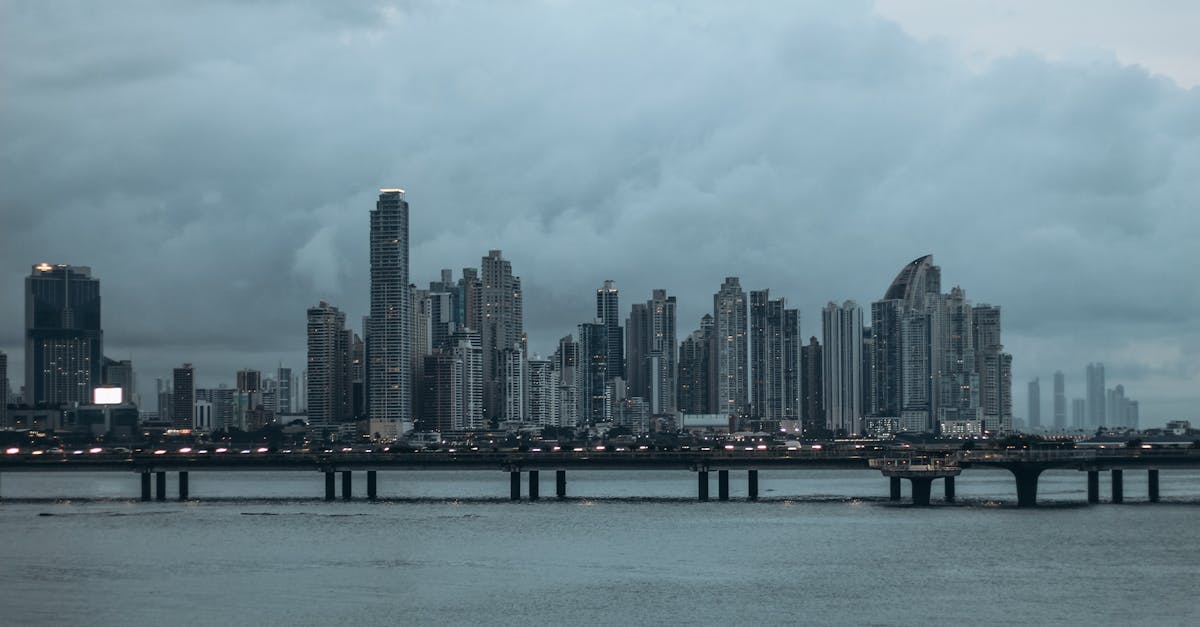
"One of the flattest Ironman courses worldwide — regularly produces fast finishing times."
🏊 Swim
Gulf of Mexico swim off Panama City Beach. Warm water (24-26°C), usually wetsuit-illegal for competitive age-groupers. Sandy bottom with generally calm conditions but occasional Gulf swells. Single rectangular lap.
🚴 Bike
Pancake-flat two-lap course through the Florida panhandle. Zero meaningful climbing. Flat, straight roads through pine forests. Wind is the only variable. One of the fastest Ironman bike courses in the world.
🏃 Run
Flat two-lap course along the beach and through Panama City Beach. Hot and humid with minimal shade. The flat terrain makes it a PB course if you can handle the heat. Finish line on the beach.
Transition Details
T1/T2 are in different locations · Surface: pavement
Weather
Typical race-day conditions: 20°C with 60% humidity.
Registration
https://www.example.com/ironman-florida
The Story
Panama City Beach is America's triathlon on-ramp. Since 1999, Ironman Florida has been the race that turns ambitious athletes into Ironman finishers, the course where the flat terrain and the Gulf of Mexico's warm water remove every physical obstacle except the distance itself. The formula is brutally simple: make the course as flat as geography allows, schedule it in November when the worst of the summer heat has passed, and let the fitness do the talking.
The result is a race that operates at the extremes of Ironman culture. On one end, first-timers who've never raced beyond a half-Ironman, drawn by the course's reputation as a gateway to the full distance. On the other, experienced athletes chasing Kona qualification times, knowing that the flat terrain and deep slot allocation make Florida a strategic choice. Both camps share the same November morning on the sugar-white sand of Panama City Beach, staring at the Gulf of Mexico's turquoise water, about to discover that flat doesn't mean easy.
The swim is Gulf warm — 22°C, sometimes warmer, occasionally warm enough to push past the wetsuit threshold and force competitive age-groupers into skins. The water is calm by ocean standards, with gentle swells and a sandy bottom that's visible in the shallows. The rectangular single-lap course is straightforward, and the average swim split of 59 minutes reflects conditions that favour the swimmer. The Gulf of Mexico doesn't fight you. It just asks you to swim 3.8 kilometres.
The bike is the centrepiece — and the trap. Two laps through the Florida panhandle on roads so flat that 200 metres of total elevation gain is a generous measurement. There are no hills. There are barely any rises. Pine forests line the route, the road stretches ahead in long, straight corridors, and the only variable is wind. And wind, on a course with zero topographical shelter, is the variable that matters. At 20 km/h average, the panhandle wind can funnel between the pine forests and hit you from angles that no amount of flat-road training prepares you for. The average bike split of 5:30 is fast — among the fastest of any Ironman globally — but the athletes who post those splits are the ones who respect the wind and hold their power rather than chasing speed.
The run is two laps along the beach and through Panama City Beach's low-slung commercial district. It is flat, exposed, and in November can swing between pleasantly warm and uncomfortably humid. The 60% humidity at 20°C is not the punishing heat of a summer Gulf Coast day, but it's enough to raise your sweat rate and drain your glycogen stores faster than the same pace in cool, dry conditions. The 10% DNF rate — higher than most Ironman events — is not a commentary on the course's difficulty but on the gap between expectation and reality. Athletes arrive expecting the flattest race in the world to be easy. It is flat. It is not easy.
Ironman Florida has been running since 1999, making it one of the elder statesmen of the American Ironman calendar. Over 2,800 finishers from 51 countries in 2024 represent a mature, diverse field that has attracted an equal split of domestic and international athletes. The race's reputation as a beginner's Ironman is both accurate and incomplete — it is a beginner's course, but it demands a finisher's discipline. Panama City Beach gives you every geographic advantage. What you do with it is entirely on you.
"Florida will give you the fastest time of your life or the rudest awakening. There's nothing in between."
"The flatness is a gift and a curse. There's nowhere to hide from your own fitness. No hill to blame, no current to excuse. Just you and 226 kilometres of truth."
"I crossed the line in 10:42 and cried for twenty minutes. Six months earlier, I didn't think I could finish an Ironman. Florida made me believe."
What It Feels Like
Florida is the pure Ironman. No technical descents, no cold water shock, no altitude, no punishing climbs. The course removes every excuse and every crutch, leaving only the distance and your preparation to race it. The 10% DNF rate is a reminder that flat does not mean simple. Athletes who respect the wind on the bike and the humidity on the run thrive here. Athletes who mistake flatness for ease learn a lesson the hard way.
🏊 The Swim
The Gulf of Mexico off Panama City Beach is bathwater by open-water standards. At 22°C — sometimes warmer — the water is comfortable enough that wetsuit legality becomes a genuine question. The calm, sandy-bottomed Gulf provides beginner-friendly conditions: minimal current, low swells, and excellent visibility. The rectangular single-lap course is easy to sight. The average swim split of 59 minutes reflects a swim where fitness, not conditions, determines your time. The only watch-out is that warm water makes it easy to settle into a comfortable pace and lose minutes you didn't know you were giving away.
🚴 The Bike
Two laps through pine-forested panhandle flatland with 200 metres of total elevation — the closest thing to a velodrome in Ironman racing. The temptation to push is enormous. The roads are straight, the terrain is level, the only variable is wind. And the wind at 20 km/h average, funnelled through gaps in the tree line, can transform a time-trial into a battle of patience. Smart athletes ride to power, not speed. The 5:30 average bike split is achievable for well-trained athletes, but the price of overcooking the bike is paid tenfold on the run.
🏃 The Run
Two flat laps through Panama City Beach — along the waterfront, through the commercial district, past aid stations stocked with ice and cola. The terrain offers no resistance, which means your legs absorb every footstrike without the relief that even minor hills provide (the brief downhill respite that rolling terrain offers). The 60% humidity makes the 20°C feel warmer than the thermometer suggests. This is a run where execution matters more than talent — hold your pace through lap one, hold your nerve through lap two, and the flat course will deliver a time that matches your fitness.
Legendary Moments
The Gulf Coast Begins
Ironman Florida launches in Panama City Beach, offering the American triathlon community its first pancake-flat full-distance course. The race quickly becomes the default recommendation for first-time Ironman athletes.
Hurricane Ivan Aftermath
Weeks after Hurricane Ivan devastates the Florida panhandle, Ironman Florida proceeds with a modified course and reduced field. Athletes and volunteers help with recovery efforts, cementing the race's connection to the local community.
The Fastest Day
Perfect conditions — calm Gulf waters, minimal wind, 20°C air — produce the fastest average finish time in the race's history. Dozens of athletes secure Kona qualification slots with times they never thought possible.
25 Years on the Beach
Ironman Florida celebrates a quarter century in Panama City Beach with its most internationally diverse field — 51 countries represented among 3,080 entrants. The race has evolved from a regional American event into a global destination.
💡 Insider Tips
- → The Gulf water often exceeds the 24.5°C wetsuit threshold for competitive age-groupers. Train without a wetsuit in the months before the race. The buoyancy difference between a 5mm neoprene suit and bare skin is significant — know what it feels like before race morning.
- → Wind is the bike course's only variable, and it's the one that matters. Practice riding at steady power in 20-30 km/h winds. Use shallower front wheels (50mm or less) to reduce the impact of crosswinds through the pine forest gaps.
- → The November humidity at 60% is sneaky. Your sweat rate will be higher than the 20°C temperature suggests. Start hydrating aggressively from the first bike aid station and aim for 800ml-1L per hour. Sodium supplementation is non-negotiable.
- → The flat run surface is unforgiving on tired legs. Train specifically for flat-surface marathon running — the constant, repetitive footstrike pattern without any hill-based relief creates a unique fatigue profile. Practise 30km+ runs on flat terrain at target race pace.
- → If you're a first-timer, Florida is an excellent choice — but do not underestimate it. The flat course means there's no technical challenge to master, which leaves only the distance. Your long-ride and long-run training volumes matter more here than on a hilly course where fitness can compensate for insufficient endurance base.
- → Post-race, Panama City Beach has plenty of restaurants and bars within walking distance of the finish. Book a beachfront hotel and plan for at least two recovery days. The beach and the warm Gulf water are the best post-Ironman recovery tools available.
Fun Facts
- ▸ One of the flattest Ironman courses worldwide — regularly produces fast finishing times.
- ▸ Water temperature often exceeds the wetsuit threshold, catching athletes off guard.
- ▸ The race's flat profile makes it popular for first-time Ironman athletes.
- ▸ Panama City Beach's 'Miracle Strip' provides plenty of post-race entertainment.
Prepare for This Race
More Races in United States
San Francisco · 52km · olympic
Chicago · 52km · olympic
New York · 52km · olympic
New York · 52km · olympic
New York · 51.5km · olympic
Los Angeles · 51.5km · olympic
FAQ
What distance is the Ironman Florida? +
The Ironman Florida is a Ironman (Full Distance) distance triathlon: 3800m swim, 180km bike, and 42.2km run (226km total) in Panama City Beach, United States.
When is the Ironman Florida? +
The next edition is on November 17, 2026. The race is typically held in November.
Water temperature and wetsuit rules? +
Ocean water at 22°C average. Wetsuit rules are conditional — forbidden above 24.5°C.
How hilly is the bike course? +
200m of climbing over 180km. Profile: flat. Drafting not allowed.
What's the weather like on race day? +
16–22°C, 60% humidity, 36% rain chance, 20 km/h winds.
Average finish time? +
Approximately 11h. Varies with conditions and athlete experience.
Are you the race organizer?
Claim This RaceFree · Get featured on our homepage · Edit your race details