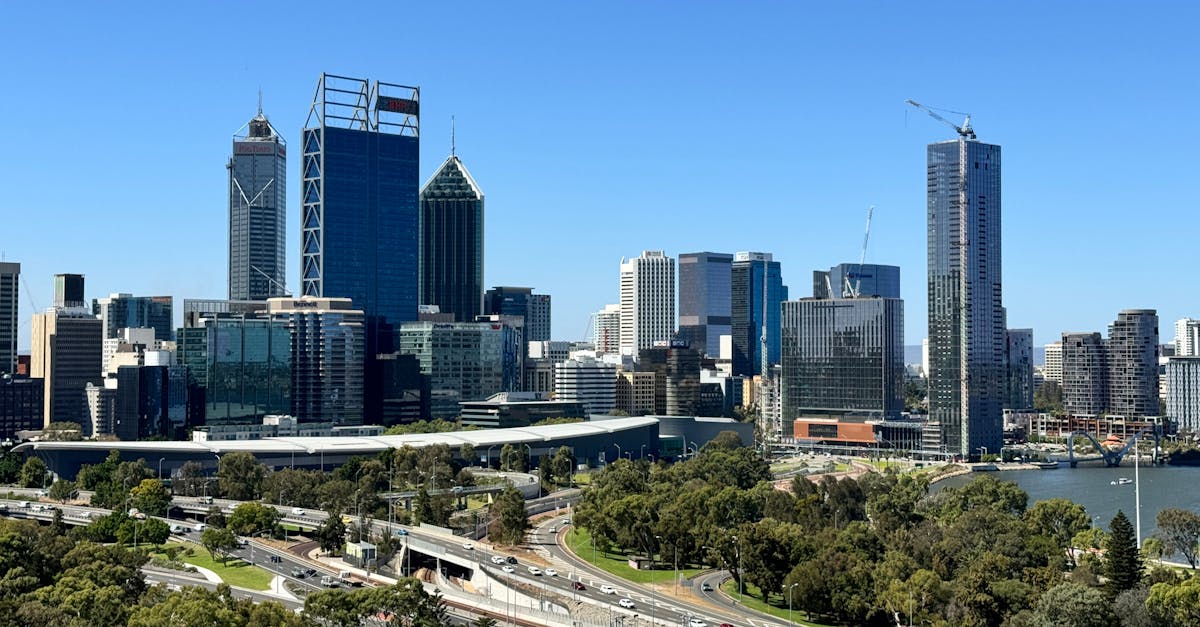
"One of the most scenic triathlon courses in the world — swim, bike, and run through the beauty of Port Elizabeth."
🏊 Swim
Indian Ocean swim at Hobie Beach in Gqeberha (Port Elizabeth). Warm water (20-22°C) with potential for surf and currents. The swim runs parallel to the beach with lifeguards on surfboards. Dolphins regularly make appearances.
🚴 Bike
Rolling two-lap course through the Eastern Cape countryside. 800m of climbing on well-surfaced roads. The route heads out along the coast before turning inland through farmland. Wind is always a factor on the coastal sections.
🏃 Run
Three-lap run along the Hobie Beach promenade and through the waterfront precinct. Relatively flat with ocean breezes. The South African crowd brings incredible energy — music, dancing, and cheering throughout.
Transition Details
T1/T2 are in the same location · Surface: grass
Weather
Typical race-day conditions: 20°C with 65% humidity.
Registration
https://www.example.com/ironman-south-africa
The Story
Ironman South Africa is the outlier. In a sport often criticised for being exclusively the domain of wealthy, Western athletes, this race in Gqeberha (formerly Port Elizabeth) on the Eastern Cape coast offers something genuinely different: an Ironman that's accessible, affordable, and infused with a warmth that reflects the best of South African culture.
The race has been held since 2005, and it quickly established itself as one of the most welcoming events on the circuit. The entry fee is significantly lower than European or American Ironman races. The cost of living in Gqeberha is a fraction of Kona or Nice. For athletes from developing triathlon nations across Africa, and for budget-conscious athletes worldwide, South Africa represents a path to Ironman that doesn't require a second mortgage.
But accessibility doesn't mean easy. The swim in the Indian Ocean at Hobie Beach can be challenging — warm water (20-22°C) but with the potential for significant surf and strong lateral currents. The beach start through breaking waves is an Ironman rarity that adds a genuine skill component to the swim. Dolphins are regular visitors to the swim course — a delightful distraction that's unique to South African racing.
The bike course is rolling — two laps through the Eastern Cape countryside with 800 metres of total climbing. It's not the hardest Ironman bike, but the wind along the coastal sections is a consistent factor. The roads are good, the route is well-supported, and the South African countryside — farmland, wild coast, distant mountains — provides a backdrop that surprises athletes who arrive expecting only beaches.
The run along Hobie Beach and the waterfront precinct is where South Africa truly shines. The local community turns out in force — not just triathlon spectators but residents of Gqeberha who treat race day as a city-wide celebration. Music, dancing, drumming, singing. The energy is different from European or American race support — more spontaneous, more rhythmic, more joyful. Athletes from other countries consistently describe the South African crowd as the most emotionally uplifting they've experienced.
The race also serves as a gateway. For many African athletes, Ironman South Africa is their first exposure to full-distance triathlon, and the race organisation invests in development programs that nurture local talent. The sight of South African athletes crossing the Ironman finish line — some from communities where swimming and cycling are not traditional sports — adds a layer of meaning that pure qualification-focused races lack.
"The South African crowd doesn't just cheer. They sing. They dance. They make you believe you can do anything."
"I came for the cheapest Ironman. I stayed for the warmest people."
"When the dolphins swim alongside you, you stop worrying about your pace and start feeling grateful to be alive."
What It Feels Like
Ironman South Africa won't appear on lists of the world's hardest courses. It's not trying to be. What it offers instead is the most emotionally rich Ironman experience on the circuit — a combination of accessible pricing, genuine community, African hospitality, and occasional dolphin visits that creates something no other race replicates. Athletes who choose South Africa for the price return for the people.
🏊 The Swim
Hobie Beach gives you a proper surf start. You charge into the Indian Ocean through breaking waves — an Ironman rarity that tests swim confidence in the first 30 seconds. Once past the break, the water settles into warm, salty comfort. The current runs parallel to the beach and needs respect. And yes, the dolphins are real. When a pod cruises through the swim course — which happens more often than you'd think — the entire swim field pauses for a heartbeat of pure wonder.
🚴 The Bike
Two laps through the Eastern Cape. The terrain is rolling, not mountainous — 800m of climbing that arrives in steady doses rather than signature ascents. The coastal sections are windy, the inland sections are sheltered, and the overall character is honest mid-range cycling that rewards consistent effort. The roads are generally good, the marshalling is excellent, and the South African countryside — greener and more varied than most visitors expect — provides pleasant distraction.
🏃 The Run
The Hobie Beach waterfront run is where Ironman South Africa earns its reputation. Three laps along the promenade with the Indian Ocean on one side and the city on the other. The course is relatively flat, the aid stations are well-stocked, and the crowd — the crowd is extraordinary. Drums, singing, dancing, spontaneous parties at every turn. The energy is contagious in a way that European spectator politeness never achieves. Athletes who are suffering find themselves smiling. The crowd makes it impossible to feel alone.
Legendary Moments
The First Edition
Ironman comes to South Africa. The race immediately stands out for its community spirit, affordable pricing, and the infectious energy of the Gqeberha crowd.
The Dolphin Year
A pod of over 50 dolphins swims through the race course during the swim leg. Athletes surface to find themselves surrounded by dolphins. Photos go viral. The image becomes synonymous with the race.
Water Crisis Racing
South Africa is in the grip of a severe drought. The race goes ahead with water conservation measures. Athletes and organisers work together to minimise water usage. The community spirit that defines this race extends to environmental responsibility.
Record African Participation
The highest-ever number of African athletes compete, representing 12 countries across the continent. Ironman South Africa proves its role as the gateway race for African triathlon development.
💡 Insider Tips
- → Practice surf starts. If you're not comfortable with beach-break waves, find an ocean beach and practice running into waves and diving through them. The Hobie Beach start is manageable but will catch you out if it's your first surf entry.
- → The wind on the coastal bike sections is consistent — plan for it in your power targets. Don't chase speed into a headwind; maintain effort and let the tailwind sections give you free speed.
- → Embrace the run crowd. High-five the kids. Smile at the drummers. The energy exchange between athlete and spectator at South Africa is more powerful than any gel.
- → The race is typically held in April — South African autumn. The weather is warm but not extreme (22-25°C). It's one of the most comfortable racing climates on the Ironman calendar.
- → Combine the race with a trip to Addo Elephant National Park (1 hour drive). Post-race safari recovery is the best recovery.
- → The entry cost is significantly lower than other Ironman races. Use the savings on accommodation — stay on the beachfront near Hobie Beach for the full experience.
Fun Facts
- ▸ Ironman South Africa is one of the most affordable Ironman races in the world — making it accessible to a wider range of athletes.
- ▸ The warm Agulhas Current keeps water temperatures comfortable year-round.
- ▸ Port Elizabeth is known as 'The Friendly City' — the crowd support reflects this reputation.
- ▸ Dolphins and whales are occasionally spotted from the swim and bike courses.
Prepare for This Race
More Races in South Africa
Cape Town · 52km · olympic
Cape Town · 26km · sprint
Durban · 51.5km · olympic
Buffalo City · 113km · half-ironman
Gqeberha · 226km · ironman
Cape Town · 51.5km · olympic
FAQ
What distance is the Ironman South Africa? +
The Ironman South Africa is a Ironman (Full Distance) distance triathlon: 3800m swim, 180km bike, and 42.2km run (226km total) in Port Elizabeth, South Africa.
When is the Ironman South Africa? +
The next edition is on April 23, 2026. The race is typically held in April.
Water temperature and wetsuit rules? +
Ocean water at 18°C average. Wetsuit rules are conditional — forbidden above 24.5°C.
How hilly is the bike course? +
900m of climbing over 180km. Profile: rolling. Drafting not allowed.
What's the weather like on race day? +
14–24°C, 65% humidity, 29% rain chance, 25 km/h winds.
Average finish time? +
Approximately 11h 30m. Varies with conditions and athlete experience.
Are you the race organizer?
Claim This RaceFree · Get featured on our homepage · Edit your race details