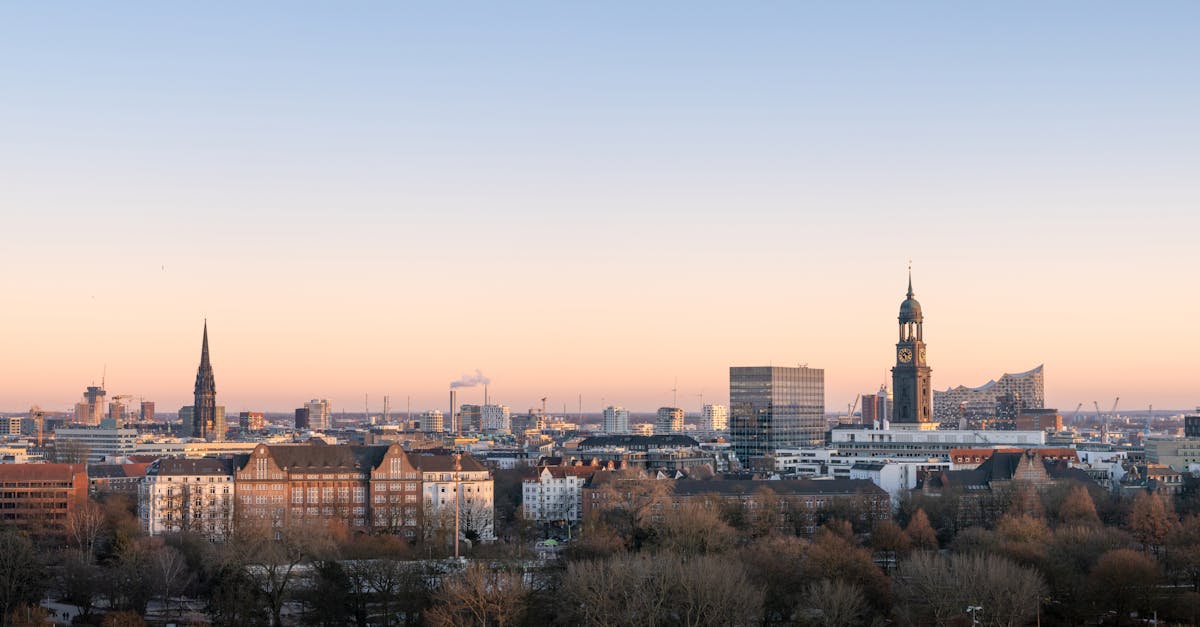
"St. George hosted the 70.3 World Championship in 2021 and 2022."
🏊 Swim
Swim in Sand Hollow Reservoir — a stunning red-rock reservoir in the Utah desert. Clear warm water (22-24°C) set against dramatic sandstone cliffs. One rectangular lap with excellent sighting.
🚴 Bike
The hardest 70.3 bike course on the circuit. 1,200m of climbing through the red rock canyons and mesas of southern Utah. Snow Canyon's steep gradients and the long climb out of Sand Hollow test even strong cyclists. Spectacular desert scenery.
🏃 Run
Hilly run through the town of St. George and surrounding desert trails. 250m of climbing on a two-lap course. The desert heat builds through the morning, making the run a battle of attrition. Views of the red cliffs reward those who look up.
Transition Details
T1/T2 are in different locations · Surface: pavement
Weather
Typical: 26°C, 20% humidity.
Registration
https://example.com/ironman-70-3-st-george
The Story
Southern Utah doesn't look like it belongs on Earth. The red sandstone formations — 200 million years old, sculpted by wind and water into shapes that defy geology — create a landscape so alien that the first time you see Snow Canyon from the saddle of a bike, your brain stutters. This is where the Ironman 70.3 World Championship came in 2021 and 2022, and this is where the hardest bike course on the 70.3 circuit lives year-round.
The swim in Sand Hollow Reservoir sets a deceptive tone. Red sandstone cliffs rise above turquoise water — a freshwater reservoir that looks like someone dropped a swimming pool into the Utah desert. At 18°C the water is refreshing, not punishing. The visibility is excellent. The conditions are calm. You come out of the water thinking: this is manageable.
Then the bike begins, and St. George shows you what 1,300 metres of climbing through the American desert actually means. Snow Canyon State Park is the centrepiece — a road that cuts through towering red and white sandstone formations, climbing in sustained gradients that test both your legs and your heat management. The desert sun reflects off the red rock, creating a furnace effect that makes the air temperature feel 5°C hotter than the thermometer reads. There is no shade. The canyon walls provide wind shelter on the climbs but trap heat like an oven. The descent out of Snow Canyon is fast and technical — a reward that demands you stay sharp when your instinct is to coast.
The long climb out of Sand Hollow is where many athletes' races unravel. It comes late in the bike, when glycogen is depleted and the cumulative heat exposure is doing its work. The gradient isn't extreme — 4-5% — but it's sustained, exposed, and at elevation (900m above sea level). Athletes who've trained for flat 70.3 courses find their power dropping and their heart rate climbing.
The run through St. George is a two-lap battle of attrition. Desert heat builds through the morning — by noon, temperatures regularly exceed 30°C with humidity below 20%. The red cliffs visible from every point on the course are beautiful and indifferent. You run past them. They don't notice. Two hundred million years of geological patience makes your suffering seem brief, which is either comforting or insulting depending on your current pace.
When the World Championship came to St. George, the pros confirmed what age-groupers had been saying for years: this is the hardest 70.3 on the calendar. Not because any single element is unprecedented, but because the combination — 1,300m of climbing, desert heat, elevation, and the relentless exposure — creates cumulative stress that flat, fast courses can't replicate. The 10% DNF rate speaks volumes. The athletes who finish carry the red desert dust on their skin and the particular quiet pride of having survived a course that wanted to break them.
St. George is red rock, relentless climbing, and a bike course that sorts the trained from the ambitious. Utah doesn't care about your FTP. It cares whether you can suffer beautifully.
"Snow Canyon is the most beautiful and terrifying stretch of road on the 70.3 circuit. You can't look at the scenery because you're trying not to blow up."
"St. George is where you find out if your training was honest. The desert doesn't accept excuses."
"I've raced Kona. I've raced Lanzarote. The St. George bike course, in that heat, is the hardest 90km I've ever ridden."
"The red rock formations are 200 million years old. Your suffering is about six hours old. Perspective helps."
What It Feels Like
St. George is the proving ground. The swim lulls you, the bike breaks you, and the run tests what's left. The 1,300m of climbing in desert heat at 900m elevation creates the most physiologically demanding 70.3 on the circuit. It hosted the World Championship for a reason — this course separates athletes who train specifically for hard conditions from those who show up with general fitness. The 10% DNF rate is not a failure of the athletes; it's a testament to the course. St. George earns every finisher's medal. The athletes who love it — and they're a devoted tribe — love it precisely because it's unfair.
🏊 The Swim
Sand Hollow Reservoir is the calm before the storm — literally. A freshwater reservoir set among red sandstone cliffs, with turquoise water so clear you can see the bottom at depth. At 18°C the water is cool but not hostile — wetsuits are often permitted but not always, so train for both scenarios. The single-lap course has good sighting off the red rock shoreline. Conditions are almost always calm — the reservoir is sheltered from wind. The swim is the most forgiving part of the day, which is either reassuring or ominous depending on how much you've studied the bike profile. Enjoy the water. You won't feel this comfortable again for six hours.
🚴 The Bike
The hardest 70.3 bike course on the calendar. 1,300 metres of climbing through Snow Canyon's red and white sandstone formations, desert plateaus, and the sustained climb out of Sand Hollow. The gradients are honest — mostly 4-7% — but the combination of sustained climbing, desert heat (frequently 30°C+), elevation (900m ASL), and zero shade creates cumulative stress that breaks unprepared athletes. Snow Canyon is the showpiece: a road carved through towering sandstone formations that would be worth cycling even if there were no race. The descent rewards you with speed but demands concentration. The final climb is where character matters more than fitness. Your power will drop. Your heart rate will climb. The question is whether you've trained for this specific kind of suffering.
🏃 The Run
Two laps through St. George in desert heat. The course is hillier than 'flat' suggests — small elevation changes feel enormous on legs that have just climbed 1,300m on the bike. The sun is relentless, humidity is low (20%), and shade is scarce. This is a run of attrition, not speed. Smart athletes walk the aid stations, pour ice water over their heads, and accept that their run pace will be 30-60 seconds per kilometre slower than at a temperate race. The red cliffs provide visual drama but zero shelter. The two-lap format means you know exactly what's coming the second time around, which is psychologically demanding — no surprises, just the honest knowledge that you have to do it all again.
Legendary Moments
St. George Launches
Ironman 70.3 arrives in southern Utah, bringing branded half-distance triathlon to one of the most visually dramatic landscapes in American sport. The bike course through Snow Canyon immediately earns its reputation.
The 70.3 World Championship Comes to the Desert
St. George hosts the 70.3 World Championship for the first time. Gustav Iden and Daniela Ryf win in punishing desert conditions. The course proves it belongs on the biggest stage in half-distance racing.
Back-to-Back Championships
St. George hosts the World Championship again, cementing its status. The heat and climbing produce dramatic racing — multiple pro favourites DNF. The desert is the great equaliser.
The Hottest Edition
Race-day temperatures exceed 35°C. The DNF rate spikes. Aid station ice runs low. Athletes who manage their cooling and hydration survive. Those who don't join the medical tent. St. George reminds everyone that desert racing is not optional preparation — it's the entire point.
💡 Insider Tips
- → Heat acclimatisation is as important as bike training. Do 10-14 days of heat training (sauna protocols, hot outdoor rides) in the month before the race. The desert heat is the deciding factor, not the climbing.
- → The swim at 18°C may or may not be wetsuit-legal. Prepare for both scenarios — do some pool sessions without a wetsuit to practice non-buoyant open water swimming.
- → Train for sustained climbing: the 1,300m of elevation demands dedicated hill work. Focus on 5-15 minute efforts at 4-7% gradient. Snow Canyon's climbs are rhythm efforts, not sprints.
- → Start the run conservatively — 15-20 seconds per km slower than your target pace. The heat builds through the morning. Athletes who go out at goal pace in the first 5km typically blow up by km 15.
- → Ice bandana, ice in your tri-suit, water over your head at every single aid station. Cooling is not a luxury — it's the fourth discipline at St. George.
- → Arrive 2-3 days early to preview the bike course in the heat. The descents have specific lines and wind patterns. Knowing them prevents panic on race day and saves energy you'll need for the run.
Fun Facts
- ▸ St. George hosted the 70.3 World Championship in 2021 and 2022.
- ▸ The bike course through Snow Canyon State Park is considered the most visually stunning 70.3 course.
- ▸ Elevation (900m above sea level) and desert heat make this one of the toughest 70.3 races.
- ▸ The red sandstone formations are 200 million years old — you're racing through geological history.
Prepare for This Race
More Races in United States
San Francisco · 52km · olympic
Chicago · 52km · olympic
New York · 52km · olympic
New York · 52km · olympic
New York · 51.5km · olympic
Los Angeles · 51.5km · olympic
FAQ
What distance is the Ironman 70.3 St George? +
The Ironman 70.3 St George is a Half Ironman / 70.3 distance triathlon: 1900m swim, 90km bike, and 21.1km run (113km total) in St. George, United States.
When is the Ironman 70.3 St George? +
The next edition is on May 3, 2026. The race is typically held in May.
Water temperature and wetsuit rules? +
Reservoir water at 18°C average. Wetsuit rules are conditional.
How hilly is the bike course? +
1300m of climbing over 90km. Profile: hilly. Drafting not allowed.
What's the weather like on race day? +
21–30°C, 20% humidity, 29% rain chance, 15 km/h winds.
Average finish time? +
Approximately 6h 30m. Varies with conditions and athlete experience.
Are you the race organizer?
Claim This RaceFree · Get featured on our homepage · Edit your race details