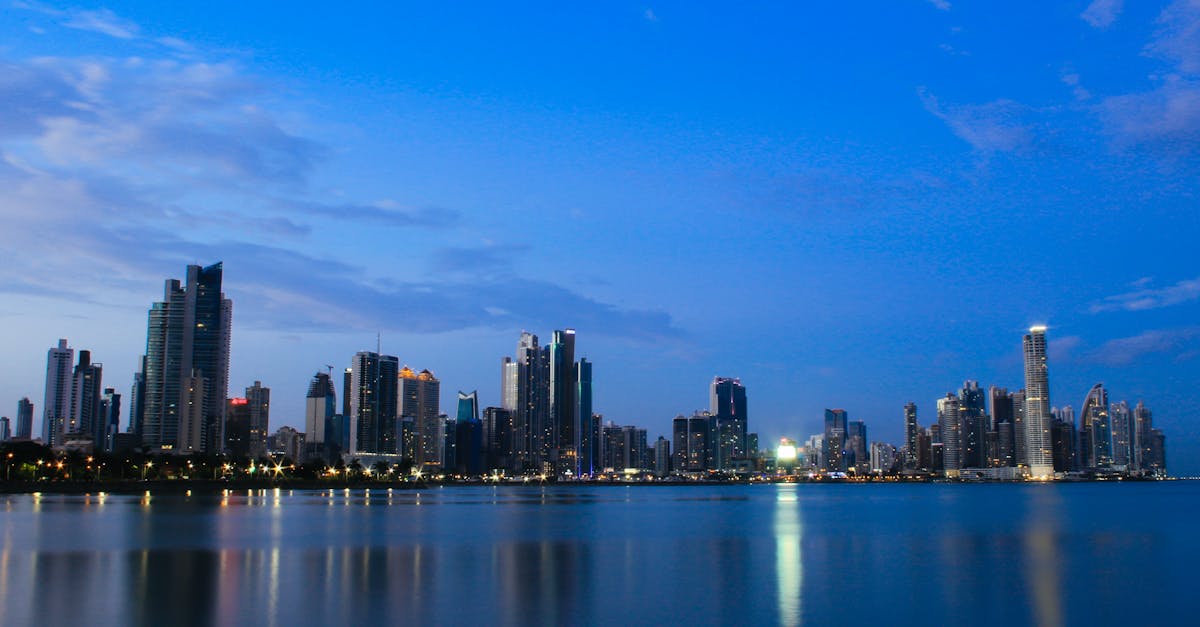
"Fast and flat — Manama's Ironman 70.3 Bahrain is built for personal bests."
🏊 Swim
Ocean swim in Manama.
🚴 Bike
Flat bike course in Manama.
🏃 Run
Run through Manama.
Transition Details
T1/T2 are in different locations · Surface: pavement
Weather
Typical: 22°C, 55% humidity.
Registration
https://example.com/ironman-70-3-bahrain
The Story
Bahrain punches absurdly above its weight in triathlon. This tiny island kingdom in the Persian Gulf — smaller than London — has hosted the 70.3 World Championship, employs professional triathletes on national team contracts, and has built a triathlon culture that makes most European nations look apathetic by comparison. The Royal Family's personal investment in the sport has transformed a desert island into one of triathlon's most important destinations.
The swim is in the warm, calm Gulf waters — salty, buoyant, and as flat as the island itself. At 24°C, wetsuits are banned and the water feels like a warm bath. The high salinity of the Persian Gulf means you float higher than in any freshwater swim, which is disconcerting for athletes who've trained in lakes and pools. The visibility is limited by the sandy bottom, but the conditions are so calm that sighting is effortless. You swim past the Bahrain skyline — glass towers and construction cranes rising from a desert island that's been reinventing itself for two decades.
The bike loops around Bahrain's coastal roads: dead flat, smooth as a billiard table, and exposed to desert wind that is the only variable on a course with essentially zero elevation. One hundred metres of total climbing — that's not a bike course, that's a time trial. The speed is extraordinary: strong cyclists post bike splits that would be impossible on any hilly course. But the wind, when it arrives from the desert, can turn a flat road into a slogging headwind that steals 5 km/h from your average. The course passes through Bahrain's oil infrastructure, modern highway interchanges, and stretches of desert that remind you this is a small island in the Arabian Gulf, not a European holiday.
The run traces the waterfront, with the skyline of Manama shimmering in the heat. The desert climate means low humidity and clear skies, but the temperature — even in the November/December race window — sits in the high 20s. What makes this run feel different from European events is the light: the Gulf sunlight is fierce, white, and penetrating, bouncing off the glass towers and the flat water in a way that makes everything feel overexposed.
What makes Bahrain special isn't the course — it's the investment. When Bahrain hosted the 70.3 World Championship in 2022 and 2023, it proved that a small Gulf state could deliver an event that rivalled anything in Europe or North America. The infrastructure is immaculate. The prize money is significant. The athlete village is luxurious by triathlon standards. The finish-line atmosphere is a genuine celebration — fireworks, music, and the unmistakable energy of a country that has decided triathlon matters.
For European athletes, Bahrain is an end-of-season race in guaranteed sunshine — the November timing means you can cap a European season with a warm-weather finale. For professionals, it's a championship venue with real stakes and a country that treats them like elite athletes, not inconveniences. For everyone, it's a reminder that triathlon is a global sport, and that the Gulf has built something that deserves respect.
"Bahrain took triathlon seriously before most European countries even noticed it existed. The infrastructure, the support, the investment — it's world-class."
"The bike is the fastest 90km you'll ever ride. Zero climbing, smooth roads, and Gulf-flat terrain. Just pray the wind stays calm."
"Swimming without a wetsuit in 24°C water that's so salty you float like a cork — it's a completely different swimming experience."
"The finish line in Bahrain at night, with the city lit up and the fireworks going off — it's the most spectacular finish in 70.3 racing."
What It Feels Like
Ironman 70.3 Bahrain is the flat-and-fast 70.3 with world-class infrastructure. Zero climbing, warm water, guaranteed sunshine, and an organisation that treats every athlete — not just professionals — as an honoured guest. The course doesn't challenge through terrain; it challenges through heat management, wind adaptation, and the ability to sustain high power on a pancake-flat bike course. For athletes who want a fast time, Bahrain is the venue. For athletes who want a world-class experience in a non-European setting, Bahrain is the venue. The country has invested heavily enough that both objectives are achievable.
🏊 The Swim
The Persian Gulf: warm (24°C), salty, flat, and wetsuit-illegal. The high salinity means you sit higher in the water than in freshwater — your stroke may need adjusting. Visibility is moderate (sandy bottom), but the conditions are so calm that navigation is trivial. The non-wetsuit format changes the dynamic: without neoprene buoyancy, your body position depends entirely on your swim technique. Strong swimmers gain more time here than at wetsuit races. Weak swimmers lose more. The swim passes the Bahrain skyline — glass towers and modern architecture reflecting in water that hasn't seen a significant wave since the Gulf was formed.
🚴 The Bike
The flattest 70.3 bike course on the calendar. One hundred metres of total elevation — essentially a 90km time trial on smooth Gulf-state roads. The speed potential is enormous: strong cyclists post sub-2:20 bike splits that would be impossible anywhere with hills. But the desert wind is the variable. When it's calm, this is the fastest bike course in 70.3 racing. When the wind arrives — which it does, unpredictably — the flat, exposed road offers no shelter. Deep-section wheels become an advantage on calm days and a wrestling match on windy ones. The course loops through Bahrain's infrastructure — oil facilities, highways, desert stretches — with the occasional palm tree as the only vertical interruption on a horizontal landscape.
🏃 The Run
The Manama waterfront in Gulf heat. Even in November, temperatures reach the high 20s under fierce, white-light sunshine that bounces off the water and the glass towers. The course is flat and well-surfaced, passing through Bahrain's modern waterfront development. The challenge is thermal: the Gulf sun is penetrating, and the low humidity means your sweat evaporates so fast you may not realise how much fluid you're losing. Aid stations are frequent and well-stocked — Bahrain's investment extends to the smallest details. The finish area, lit up against the night sky, is the reward: fireworks, music, and the particular warmth of Arabian hospitality that makes you feel genuinely celebrated.
Legendary Moments
Bahrain Enters the 70.3 Calendar
The kingdom launches its first Ironman 70.3, backed by royal patronage and world-class infrastructure. The triathlon world takes notice of the Gulf's ambitions.
The World Championship Bid
Bahrain wins the right to host the 70.3 World Championship, signalling the Gulf's arrival as a serious triathlon destination. The investment in athlete facilities sets a new standard.
World Championship I
Bahrain hosts the 70.3 World Championship. The flat, fast course produces dramatic racing. The finish-line spectacle — lights, fireworks, Arabian hospitality — creates an atmosphere that European venues struggle to match.
Back-to-Back World Championships
A second consecutive World Championship confirms Bahrain's status. Professionals praise the organisation, the course, and the country's commitment to the sport. The tiny island has earned its place among triathlon's elite venues.
💡 Insider Tips
- → Practice non-wetsuit swimming. The buoyancy difference is significant — without neoprene, your hips sit lower and your stroke must be more efficient. Pool swimmers who never train without a wetsuit will struggle.
- → The flat bike is a pacing trap. Without climbing to regulate effort, it's easy to ride too hard for the first 60km and pay for it on the run. Use power or heart rate — not speed — as your pacing guide.
- → The desert wind is unpredictable. Have a plan for calm conditions (aero position, deep wheels, target watts) and a separate plan for windy conditions (steady effort, don't chase speed, accept the time loss).
- → Hydrate aggressively starting 48 hours before the race. The Gulf climate dehydrates you faster than you realise — low humidity and air conditioning in hotels combine to leave you under-hydrated before you even start.
- → Race-morning nutrition should account for the heat. Reduce fat and fibre in your pre-race meal — your gut is under more stress in hot conditions. Stick to proven, simple carbohydrates.
- → Enjoy the cultural experience. Bahrain offers food, hospitality, and atmosphere that's entirely different from European or American races. Budget an extra day or two to explore — the souks, the food, the Gulf culture are part of the value.
Prepare for This Race
FAQ
What distance is the Ironman 70.3 Bahrain? +
The Ironman 70.3 Bahrain is a Half Ironman / 70.3 distance triathlon: 1900m swim, 90km bike, and 21.1km run (113km total) in Manama, Bahrain.
When is the Ironman 70.3 Bahrain? +
The next edition is on December 13, 2026. The race is typically held in December.
Water temperature and wetsuit rules? +
Ocean water at 24°C average. Wetsuit rules are conditional.
How hilly is the bike course? +
100m of climbing over 90km. Profile: flat. Drafting not allowed.
What's the weather like on race day? +
18–25°C, 55% humidity, 23% rain chance, 23 km/h winds.
Average finish time? +
Approximately 6h 12m. Varies with conditions and athlete experience.
Are you the race organizer?
Claim This RaceFree · Get featured on our homepage · Edit your race details