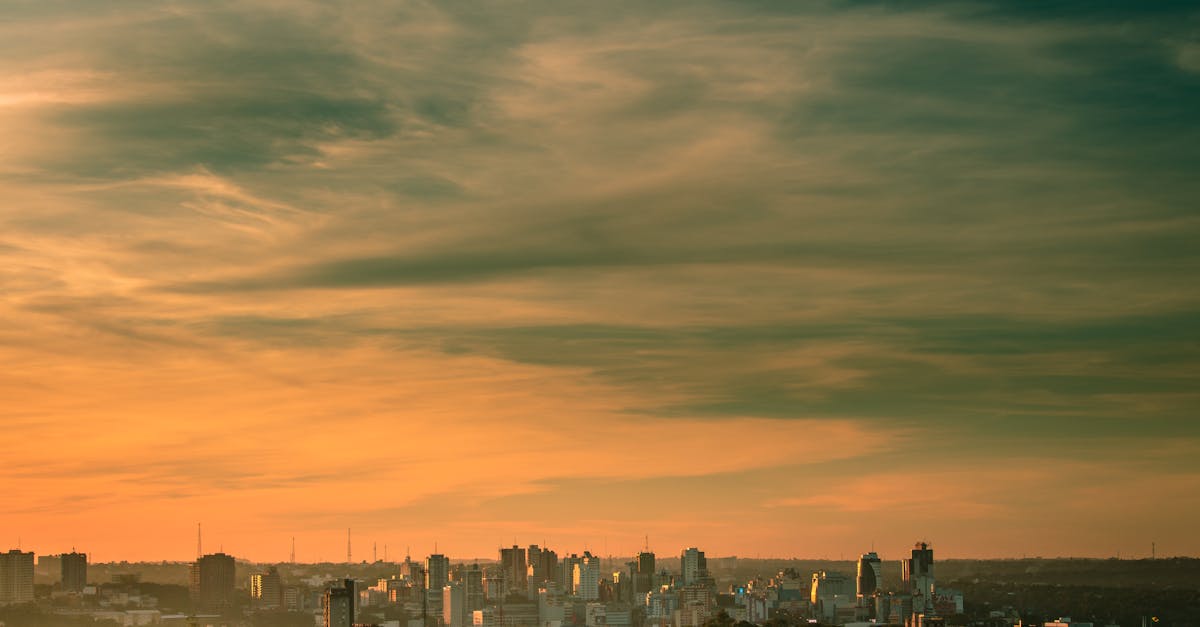
"Alpine climbing, dramatic scenery, and a test of will in Puerto del Carmen."
🏊 Swim
Ocean swim in Puerto del Carmen.
🚴 Bike
Mountainous bike course in Puerto del Carmen.
🏃 Run
Run through Puerto del Carmen.
Transition Details
T1/T2 are in the same location · Surface: grass
Weather
Typical: 24°C, 55% humidity.
Registration
https://example.com/ironman-70-3-lanzarote
The Story
Lanzarote is the island that looks like Mars with a swimming pool. Volcanic rock, black sand, and a wind that never stops — it's the original hard Ironman venue, and its 70.3 little sibling carries the same DNA in a half-distance package.
The full Ironman Lanzarote is legendary — 2,500 metres of climbing and trade winds that break people. The 70.3 version doesn't try to replicate that suffering at half scale. Instead, it offers a distilled experience: the volcanic landscape, the Atlantic swim, and enough wind-blasted cycling to give you a genuine taste of what makes this island triathlon's most hostile beautiful venue.
The Atlantic swim off Puerto del Carmen is the mildest part of the day: warm enough for a non-wetsuit option at 20°C, clear enough to see the volcanic seabed — black rock and bright fish in water so salty it practically holds you up — and sheltered enough by the harbour wall that the open-Atlantic swell stays manageable. You swim past fishing boats and over dark volcanic rock, the water that particular shade of deep Atlantic blue that's darker than the Mediterranean, more serious, more oceanic. Coming out of the water, you can already feel the breeze. It's not the wind yet. That comes later.
Then the bike begins, and Lanzarote shows its teeth. Seven hundred metres of climbing across 90 kilometres arrives in the form of volcanic ramps — short, steep, and exposed to the Alisio trade winds that have crossed the Atlantic without interruption since leaving the Americas. The landscape is lunar: black lava fields from the 1730s eruptions stretch to the horizon, white-washed villages perch on volcanic ridges like outposts on another planet, and the Timanfaya fire mountains smoke on the horizon. There are no trees. There is no shelter. The wind hits you sideways on the exposed sections, steals your momentum on the climbs, and gives you false confidence on the descents when it pushes from behind.
The run along Puerto del Carmen's waterfront is flat and tourist-friendly — but by this point your legs carry the memory of the volcanic bike. The wind follows you along the coast, pushing you sideways past resort hotels where British and German tourists sit at pool bars, watching you suffer with expressions ranging from sympathy to bewilderment. The contrast is Lanzarote in a nutshell: paradise and punishment sharing the same postcode.
Lanzarote's 70.3 is the accessible version of one of triathlon's most feared courses — hard enough to be proud of, short enough to survive, and unique enough that no other race on the calendar feels remotely like it. The volcanic landscape doesn't exist anywhere else in the 70.3 world. The trade winds don't blow anywhere else with this consistency. The combination of geological drama and atmospheric assault makes Lanzarote a race that changes the way you think about what a triathlon course can be.
Finish this race, sit at a seafood restaurant in Puerto del Carmen as the sun sets over the Atlantic, and you'll understand why people come back to this strange volcanic island year after year. It's not comfortable. It's not easy. But it's honest — and it's unlike anything else.
"Lanzarote doesn't negotiate. The wind is there, the volcanic ramps are there, and your preparation either holds or it doesn't."
"The landscape is so alien that you forget you're in Europe. Black lava, white villages, blue ocean — it's like racing on a different planet."
"The full Ironman Lanzarote nearly broke me. The 70.3 gave me the beauty without the destruction. Almost."
"When the trade winds hit you on the first exposed climb, you understand why Lanzarote has a reputation. When they hit you on the fourth climb, you understand why people love it."
What It Feels Like
Ironman 70.3 Lanzarote is a race defined by its geology and its atmosphere. The volcanic landscape creates a visual and thermal environment unlike any other triathlon venue — black rock, no shade, heat radiating from below. The trade winds create an aerobic and bike-handling challenge that begins on the first exposed section and doesn't stop until you cross the finish line. The ocean swim is Atlantic-serious. The bike climbs are volcanic-steep. The run is wind-flat but fatigue-hard. Together, they create a 70.3 that demands specific preparation and rewards specific character: patience, wind tolerance, and the ability to find beauty in a landscape that's trying to slow you down.
🏊 The Swim
The Atlantic off Puerto del Carmen is deep blue, salty, and serious. The harbour provides some shelter, but this is open ocean — swells arrive unannounced, and the water has a weight and presence that Mediterranean swimmers find unfamiliar. At 20°C it's warm by Atlantic standards, and the high salinity provides noticeable buoyancy. The volcanic seabed beneath you is black rock and dark sand, visible in the clear water, with bright fish darting between formations. Sighting the buoys is easy in calm conditions but challenging when swells lift and drop you. This is a swim that rewards relaxation — fight the ocean and it wins. Flow with it and the exit comes sooner than expected.
🚴 The Bike
Volcanic cycling in a category of its own. The 700m of climbing arrives via short, steep ramps — pitches of 8-12% that last 1-3 minutes — separated by exposed flat sections where the Alisio trade winds hit you broadside. The landscape is the Timanfaya volcanic zone: black lava fields, no vegetation, heat radiating from rock that erupted in the 1730s. White-washed villages appear like outposts in the darkness. The wind is the constant: it changes direction with the terrain, sometimes headwind, sometimes cross, occasionally pushing you from behind with a generosity you don't trust. The roads are good — smooth volcanic tarmac maintained for the tourist traffic that sustains the island. But the combination of wind, gradients, and the sheer alien hostility of the landscape makes this feel harder than 700m of climbing should.
🏃 The Run
The Puerto del Carmen waterfront: flat, tourist-lined, and wind-exposed. You run past resort pools, beach bars, and sunburned holidaymakers while the trade winds push you sideways along the coast. The surface is flat tarmac, the course is a two-lap affair, and the aid stations are well-stocked. What makes this run hard isn't the terrain — it's the cumulative fatigue from the volcanic bike and the wind that hasn't stopped since you left T1. Your legs are heavy from the ramps, your core is fatigued from fighting crosswinds for 90km, and the wind on the run course steals the rhythm that flat terrain should provide. It's a run that rewards patience and salt-loading.
Legendary Moments
The 70.3 Comes to Lanzarote
Ironman 70.3 Lanzarote launches, giving the volcanic island a half-distance option alongside its legendary full Ironman. The first edition proves the island's character doesn't need 180km of cycling to make itself felt.
The Big Wind Edition
Trade winds exceed 50 km/h on race day, turning the bike into a survival exercise. Deep-section wheels become dangerous. Athletes with disk wheels are told to switch. The island reminds everyone who's in charge.
The Volcanic Swim
Crystal-clear Atlantic conditions reveal the underwater volcanic landscape in extraordinary detail. Athletes report seeing volcanic formations, schools of fish, and black sand at depth — a reminder that you're swimming above an active volcanic seabed.
Record International Field
The race draws its most internationally diverse field as athletes seek out unique courses. Lanzarote's volcanic character proves to be as much a draw as its difficulty — people come for the landscape as much as the race.
💡 Insider Tips
- → Wheel choice is critical. Anything deeper than 50mm becomes a liability in Lanzarote's crosswinds. Many experienced athletes race with 35-40mm wheels or even box-section rims. The aero loss is trivial compared to the energy saved fighting gusts.
- → Train for wind. If you live somewhere calm, find exposed coastal roads or use a fan setup indoors. Lanzarote wind isn't just about power — it's about handling, bike control, and mental resilience over 90km.
- → The volcanic ramps are short but brutal. Practice 1-3 minute max efforts at 8-12% gradient — you need to attack them, get over them, and recover on the flat before the next one arrives.
- → Bring extra nutrition. Wind-exposed cycling burns more calories than sheltered courses because you're fighting the elements constantly. Plan for 10-15% more calories than a calm-weather 70.3.
- → Sunscreen everything. The volcanic landscape reflects heat and UV upward. Neck, ears, and the backs of your hands are especially vulnerable. Reapply in T2.
- → Arrive 2-3 days early and ride the bike course in the wind. The exposed sections have specific wind patterns — knowing where the crosswind hits prevents panic and saves energy on race day.
Prepare for This Race
More Races in Spain
FAQ
What distance is the Ironman 70.3 Lanzarote? +
The Ironman 70.3 Lanzarote is a Half Ironman / 70.3 distance triathlon: 1900m swim, 90km bike, and 21.1km run (113km total) in Puerto del Carmen, Spain.
When is the Ironman 70.3 Lanzarote? +
The next edition is on October 23, 2026. The race is typically held in October.
Water temperature and wetsuit rules? +
Ocean water at 22°C average. Wetsuit rules are conditional.
How hilly is the bike course? +
1200m of climbing over 90km. Profile: mountainous. Drafting not allowed.
What's the weather like on race day? +
16–29°C, 55% humidity, 8% rain chance, 11 km/h winds.
Average finish time? +
Approximately 5h 6m. Varies with conditions and athlete experience.
Are you the race organizer?
Claim This RaceFree · Get featured on our homepage · Edit your race details