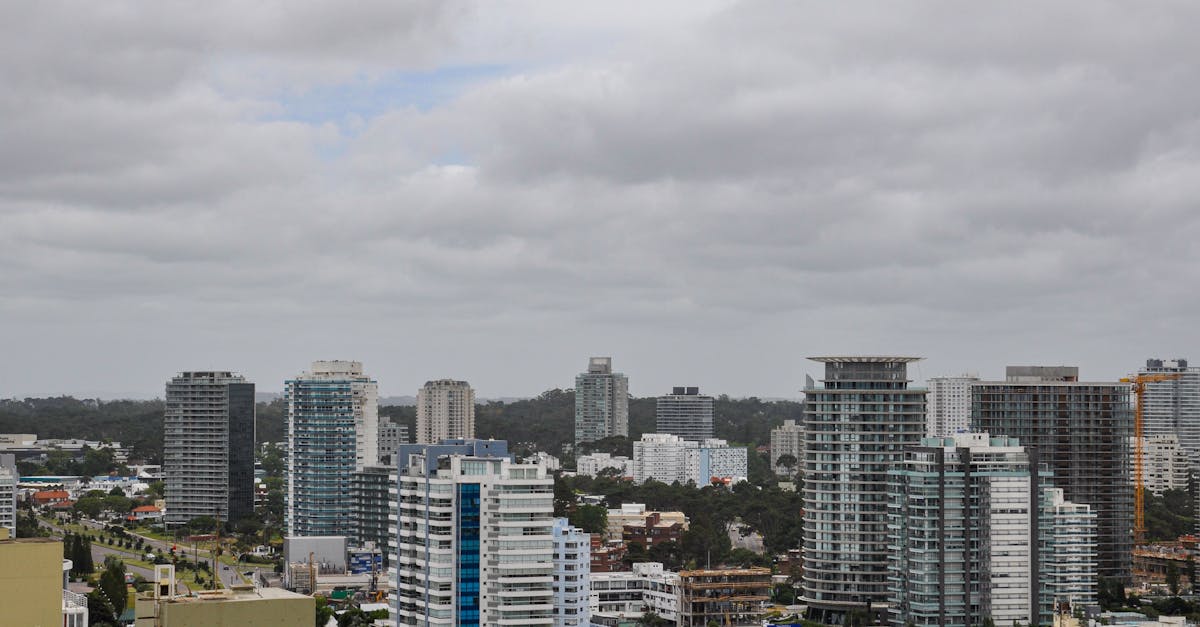
"Known as 'The Toughest Ironman' due to 2,500m of bike climbing and relentless trade winds."
🏊 Swim
Atlantic Ocean swim off Playa Grande in Puerto del Carmen. Can be deceptively challenging — swell, currents, and choppy conditions are common due to the trade winds. Water temperature around 20°C usually allows wetsuits. A rectangular two-lap course with a beach run between laps.
🚴 Bike
The most feared bike course in Ironman. 180km through the volcanic landscape of Lanzarote with 2,500m of climbing. The route passes through Timanfaya National Park's alien lava fields, climbs to Mirador del Río at 479m, and battles relentless northeast trade winds that can exceed 50 km/h. Every pedal stroke is earned on this course.
🏃 Run
Three-lap marathon along the coast of Puerto del Carmen. After the brutal bike, the run is 'merely' rolling with 300m of climbing. The trade winds persist, and afternoon heat builds through the run. The course passes through town three times, with increasing crowd support as the day wears on.
Transition Details
T1/T2 are in the same location · Surface: pavement
Weather
Typical race-day conditions: 24°C with 55% humidity.
Registration
https://www.example.com/ironman-lanzarote
The Story
They call it the toughest Ironman on earth, and nobody who's raced it disagrees. Ironman Lanzarote doesn't just test your fitness — it tests your relationship with suffering. The volcanic island off the northwest coast of Africa, shaped by eruptions that buried entire villages in the 1730s, provides a landscape so alien that training for it on the mainland feels like preparing for a different sport entirely.
The race has been held since 1992, making it one of the oldest in the Ironman calendar. Kenneth Gasque, a Danish triathlete living in Lanzarote, convinced the World Triathlon Corporation to bring an Ironman to the island. The locals thought he was insane. Within a few years, the race had developed a cult following — athletes who returned year after year, addicted to the pain and the otherworldly beauty.
The bike course is the centrepiece. 180 kilometres through volcanic terrain with 2,500 metres of climbing — more elevation gain than most Ironman races by a factor of two or three. The route passes through Timanfaya National Park, where the lava fields stretch to the horizon like a Martian landscape. The Mirador del Río climb reveals the island of La Graciosa floating in the Atlantic below, a view so stunning it almost makes you forget the gradient. Almost.
But it's the wind that defines Lanzarote. The Alisio trade winds blow from the northeast, relentless and unpredictable. On exposed sections, gusts exceed 50 km/h. Deep-section race wheels become dangerous. Athletes with lightweight frames get blown across the road. The wind doesn't stop for the run — it chases you along the Puerto del Carmen coastline for three marathon laps, pushing you sideways, stealing your momentum, never letting you settle.
The swim in the Atlantic off Playa Grande is the calm before the storm — relatively speaking. The ocean can be choppy, with swells and lateral currents that demand strong sighting. Water temperatures hover around 20°C, usually permitting wetsuits but never guaranteeing comfort. Coming out of the water and into T1, you can already feel the wind. The bike racks rattle. The banners snap. You know what's coming.
Athletes who finish Ironman Lanzarote carry the achievement differently than other Ironman finishers. There's a quiet pride — not because the course record is impressive (it's relatively slow), but because every finisher earned every second on that island. The lava fields and the trade winds are the great equalizers. Fitness gets you to the start line. Character gets you to the finish.
"Lanzarote is where you find out what you're really made of. The wind strips away everything except willpower."
"I've raced Kona, Nice, and Roth. Lanzarote is the only one that truly scared me."
"The bike course through Timanfaya is like racing on Mars. You forget you're on earth."
What It Feels Like
Lanzarote is a race of attrition. It doesn't reward the fastest swimmer or the strongest cyclist. It rewards the athlete who manages their effort most intelligently across 10-14 hours of relentless environmental assault. Wind, heat, climbing, ocean — everything conspires against you, all day, without pause. The athletes who love Lanzarote — and they're a devoted tribe — love it precisely because it's unfair. Because finishing here means something that a flat, fast Ironman can never replicate.
🏊 The Swim
The Atlantic doesn't care about your pool PB. Playa Grande gives you a beach start that becomes chaos in seconds — bodies everywhere, waves breaking overhead, salt in your eyes. Once you're out past the break, the swim settles into an open-water rhythm, but the lateral current means you're never swimming in a straight line. You sight the buoys, you correct, you sight again. Coming back to shore, the waves either carry you in (good day) or tumble you (every other day). You exit the water and the wind hits you like a wall.
🚴 The Bike
The first 30 kilometres lull you into a false sense of comfort — rolling terrain, manageable wind, beautiful scenery. Then you hit the first real climb and the reality of 2,500 metres of elevation gain sinks in. The Timanfaya section is otherworldly — black lava fields, no vegetation, heat radiating from the volcanic rock. The wind funnels through the gaps between mountains and hits you sideways. The climb to Mirador del Río is long and grinding, with a headwind that adds 30% to the perceived effort. The descent rewards you with speed but demands concentration — crosswinds at 60 km/h on a descent are genuinely dangerous. The final 40km back to Puerto del Carmen should be easy. It never is.
🏃 The Run
Three laps along the Puerto del Carmen seafront. The course is rolling, not flat — small climbs that feel enormous after 180km on the bike. The trade winds persist, pushing you sideways on the exposed coastal sections. Heat builds through the afternoon. The salt from the morning's ocean swim crystallizes on your skin. Each lap past the finish line — twice without turning in — is a psychological test. The crowds thin between the turn-arounds. You run alone with the wind and your thoughts. The third lap, when you finally get to turn toward the finish, might be the most emotional 7km in triathlon.
Legendary Moments
The First Edition
Kenneth Gasque's dream becomes reality. The inaugural Ironman Lanzarote draws a small but committed field. The island has no idea what it's signed up for.
Chrissie Wellington Dominates
Wellington wins the women's race by over 20 minutes, then describes the bike course as the hardest she's ever ridden. Her endorsement cements Lanzarote's reputation.
The Storm Edition
Wind gusts exceed 70 km/h on race day. The bike course becomes a survival exercise. Athletes are literally blown off their bikes. The DNF rate spikes. Those who finish remember it as the hardest single day of their sporting lives.
The Last Pre-Pandemic Edition
A stacked field races in classic Lanzarote conditions — 35 km/h winds, 25°C heat, and 2,500m of climbing. The race proves once again that Lanzarote doesn't give anything for free.
💡 Insider Tips
- → Wheel choice is crucial. Anything deeper than 60mm becomes a liability in Lanzarote's crosswinds. Many experienced athletes race with 40-50mm wheels or even standard box-section rims. The aero loss is trivial compared to the energy saved fighting crosswinds.
- → Train for wind specifically. If you live somewhere calm, find exposed coastal roads or use a fan setup indoors. Lanzarote wind isn't just about power — it's about handling, bike control, and mental resilience.
- → The Mirador del Río climb is best tackled with patience. Spin at 75+ rpm and let the gearing do the work. Attacking the climbs costs more than it saves — you still have a marathon ahead.
- → Bring extra nutrition. The wind-exposed bike course burns more calories than a flat Ironman because you're fighting the elements constantly. Plan for 10-20% more calories than your usual Ironman fuelling.
- → Pre-ride the bike course in race week. The descents have wind-exposed sections where gusts hit you mid-corner. Knowing where these are prevents panic on race day.
- → The run aid stations have sponges, water, and ice. Use all of them. The afternoon heat is compounded by wind evaporation — you lose fluids faster than you think.
Fun Facts
- ▸ Known as 'The Toughest Ironman' due to 2,500m of bike climbing and relentless trade winds.
- ▸ The bike course through Timanfaya volcanic park is one of the most dramatic landscapes in endurance sports.
- ▸ Lanzarote has been hosting Ironman since 1992 — one of the oldest races on the circuit.
- ▸ The island's César Manrique-designed viewpoints dot the bike course, adding surreal beauty to the suffering.
- ▸ Wind speeds regularly exceed 40 km/h on race day, making deep-section wheels a risky choice.
Prepare for This Race
More Races in Spain
FAQ
What distance is the Ironman Lanzarote? +
The Ironman Lanzarote is a Ironman (Full Distance) distance triathlon: 3800m swim, 180km bike, and 42.2km run (226km total) in Puerto del Carmen, Spain.
When is the Ironman Lanzarote? +
The next edition is on May 3, 2026. The race is typically held in May.
Water temperature and wetsuit rules? +
Ocean water at 20°C average. Wetsuit rules are conditional — forbidden above 24.5°C.
How hilly is the bike course? +
2500m of climbing over 180km. Profile: mountainous. Drafting not allowed.
What's the weather like on race day? +
17–30°C, 55% humidity, 27% rain chance, 35 km/h winds.
Average finish time? +
Approximately 12h 30m. Varies with conditions and athlete experience.
Are you the race organizer?
Claim This RaceFree · Get featured on our homepage · Edit your race details