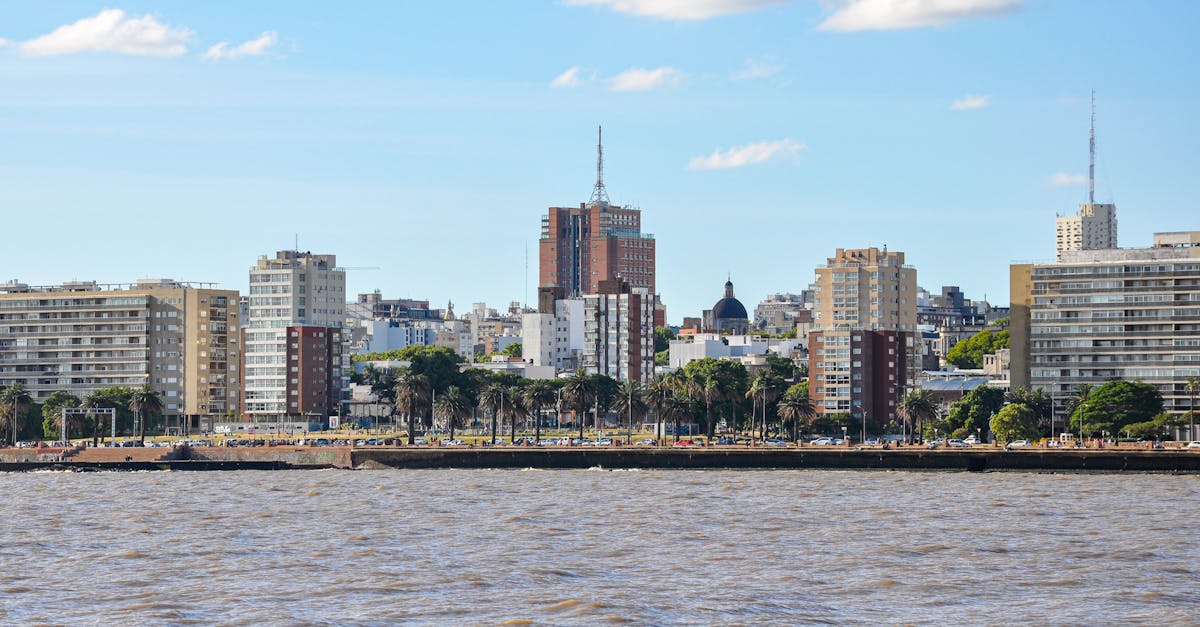
"One of the oldest 70.3 races — it's been a rite of spring for California triathletes since 1999."
🏊 Swim
Pacific Ocean swim off Oceanside Harbor in southern California. Water temperature 16-18°C with wetsuits typically allowed. The swim exits through the harbour entrance — currents here require awareness. Clear blue Pacific water.
🚴 Bike
Rolling coastal course through Camp Pendleton Marine Base and surrounding hills. 600m of climbing with one significant climb on the base. Fast descents and smooth military roads. The exclusive access through Camp Pendleton gives this course a unique character.
🏃 Run
Flat two-lap run along the Oceanside Strand beachfront. Ocean breezes keep temperatures comfortable. Fast, spectator-friendly course with the finish on the beach. One of the most beginner-friendly 70.3 run courses.
Transition Details
T1/T2 are in different locations · Surface: grass
Weather
Typical: 17°C, 55% humidity.
Registration
https://example.com/ironman-70-3-oceanside
The Story
Oceanside is where the American triathlon season begins. Every April, the Southern California beach town that sits in the shadow of Camp Pendleton Marine Corps Base becomes the starting line for thousands of athletes launching their race year. The Pacific Ocean, the military roads, and the SoCal sunshine combine to create a race that's part athletic event, part seasonal ritual.
The Pacific swim off Oceanside Pier is a cold-water reality check. At 16°C in April, the California Current delivers water temperatures that Europeans expect from the North Sea, not the sunshine state. The swim starts on the beach — a running entry through breaking waves that immediately separates those who've practiced ocean swimming from those who trained in a pool. The surf can be significant: waist-to-chest-high waves that tumble you sideways and steal your goggles if they're not properly secured. Once past the break, the Pacific settles into a rolling swell that's manageable but never flat. You sight off Oceanside Pier — the wooden fishing pier that extends into the ocean like a pointing finger — and the California coastline stretching south toward Carlsbad.
The bike is the signature feature: 90 kilometres on the exclusive roads of Camp Pendleton Marine Corps Base. These are military roads built for convoy traffic — wide, smooth, and closed to civilians 364 days a year. On race day, you share them with nobody except other athletes and the occasional military vehicle. The course is rolling — 600m of climbing through the base's coastal hills, with views of the Pacific on one side and the dry California chaparral on the other. The marine layer often burns off during the bike, replacing the grey morning fog with full SoCal sunshine by the second hour.
The run follows the Oceanside strand — flat, coastal, and lined with the particular breed of California spectator who combines genuine enthusiasm with an enviable tan. The route passes the pier, the marina, and the restaurants along Pacific Coast Highway that will serve you fish tacos and cold beer approximately four hours from now.
Oceanside's significance to American triathlon goes beyond the course. This is the opening 70.3 of the North American season — the race where off-season training meets reality, where new equipment gets its first test, where athletes discover whether the winter work paid off. The energy on race morning is different from late-season events: there's optimism, nervous excitement, and the particular freshness of athletes who haven't yet accumulated a season's worth of fatigue.
The Camp Pendleton bike course is why people come back year after year. Racing on military roads that are otherwise inaccessible gives Oceanside a exclusivity that no public-road course can match. The rolling terrain through the base's golden-brown hills, with the Pacific glittering in the distance, is Southern California at its most photogenic. And the knowledge that you're riding roads where Marines train adds a layer of context that most triathletes find motivating — if the Marines can handle these hills daily, you can handle them once.
Oceanside is the American 70.3 — Pacific Ocean, military roads, SoCal sun, and the optimism of a season that's just beginning.
"Oceanside is my annual check-in. The ocean tells you how your winter training went — honestly, and in the first ten minutes."
"The Camp Pendleton roads are the best-kept secret in American triathlon. You can't ride them any other day of the year."
"The Pacific doesn't care that it's April in California. Sixteen degrees and surf — welcome to Oceanside."
"Every season starts here. It's the physical and emotional reset. Whatever happened last year, Oceanside is page one."
What It Feels Like
Oceanside is the season opener, and it feels like one — fresh, optimistic, and slightly nerve-wracking. The Pacific swim sorts the ocean-comfortable from the pool-trained. The Camp Pendleton bike is a rolling, scenic privilege on exclusive military roads. The run is flat and fast along the coast. The course doesn't try to break you — it's moderate in difficulty but rich in character. The real challenge at Oceanside is mental: managing the excitement of a new season, pacing a race when you haven't raced in months, and trusting your preparation when the Pacific Ocean is testing it. Athletes who treat Oceanside as a season launch rather than a max-effort race get the most from it.
🏊 The Swim
The Pacific off Oceanside is cold (16°C), dynamic, and honest. The beach start means running through shore break that can range from ankle-height ripples to chest-high waves depending on the day. You don't know which you'll get until race morning. Once past the break, the ocean settles into a rolling Pacific swell — not rough, but never flat. Sighting is good: the pier and coastline are always visible. The current typically runs south-to-north, which the course accounts for. What makes this swim memorable is the combination of cold water, surf entry, and the knowledge that this is the real Pacific — not a sheltered bay or calm lake. Ocean-swimming experience matters here more than swim fitness.
🚴 The Bike
Camp Pendleton's military roads are the crown jewel. Wide, smooth, closed to civilian traffic, and rolling through 600m of coastal hills covered in California chaparral. The hills are not individually difficult — mostly 2-4 minute efforts at moderate gradients — but they accumulate over 90km in a way that punishes athletes who start too hard. The marine layer provides natural cooling in the first hour; when it burns off, the exposed hillsides heat up quickly. There's a particular joy to riding on roads that are off-limits every other day — the smooth military-grade surface, the absence of traffic, and the Pacific views make this one of the most enjoyable bike courses in American triathlon.
🏃 The Run
Flat coastal run along the Oceanside strand. The Pacific Ocean is your constant companion — you can hear the waves at every point on the course. The surface is paved, the route is two laps, and the spectator support is concentrated around the pier and the finish area. April temperatures are typically 18-22°C by the time you're running — warm enough to be pleasant, cool enough that heat management isn't the primary concern. The SoCal atmosphere provides energy: beach-town vibes, casual spectators, the smell of sunscreen and salt. It's a fast run course for those who've paced the bike correctly — flat, well-supported, and with a finish line that looks like a postcard.
Legendary Moments
The First American Season Opener
Ironman 70.3 Oceanside launches, establishing the California coast as the starting point for the North American triathlon calendar. The Camp Pendleton bike course immediately becomes the race's defining feature.
Record Field
Oceanside draws its largest field as the season-opener status grows. Over 2,500 athletes line up on the beach for the Pacific start. The race cements its position as the must-do opening event.
The Big Surf Edition
Significant waves on race morning create chaos at the swim entry. Athletes are tumbled, goggles are lost, and the Pacific reminds everyone that ocean swimming is not pool swimming with salt. Those who navigate the surf emerge with stories for the year.
The Grey-to-Gold Morning
Classic Oceanside conditions: thick marine layer fog at the swim start, grey Pacific water, cold air. By mid-bike, the fog burns off to reveal blue sky and golden California sunshine. The transformation is so dramatic it feels scripted.
💡 Insider Tips
- → Practice ocean swimming before Oceanside. Shore break entry, body surfing, and sighting in swell are skills that pool swimming doesn't build. If you live inland, find open water with some chop.
- → Secure your goggles under your swim cap. The surf at Oceanside has claimed thousands of pairs of goggles over the years. Double-strap if you can.
- → The Camp Pendleton roads are smooth but the rolling hills are relentless. Pace the first 30km conservatively — the temptation to push on military-grade tarmac is real, and you'll pay for it in the final 30km.
- → Bring arm warmers for the swim-to-bike transition. April mornings at Oceanside can be cold and foggy. You'll warm up quickly once the marine layer burns off, but the first 30 minutes of the bike can be chilly.
- → Don't be deceived by 'Southern California weather.' April can deliver anything from perfect sunshine to grey fog and cool temperatures. Pack for both scenarios.
- → Use Oceanside as a pacing experiment for your season. Race at 90% effort and take notes. The data from a controlled season opener is worth more than a desperate PB attempt.
Fun Facts
- ▸ One of the oldest 70.3 races — it's been a rite of spring for California triathletes since 1999.
- ▸ The bike course through Camp Pendleton is only accessible on race day — Marines line the course.
- ▸ Oceanside is the traditional US season opener and draws a massive competitive field.
Prepare for This Race
More Races in United States
San Francisco · 52km · olympic
Chicago · 52km · olympic
New York · 52km · olympic
New York · 52km · olympic
New York · 51.5km · olympic
Los Angeles · 51.5km · olympic
FAQ
What distance is the Ironman 70.3 Oceanside? +
The Ironman 70.3 Oceanside is a Half Ironman / 70.3 distance triathlon: 1900m swim, 90km bike, and 21.1km run (113km total) in Oceanside, United States.
When is the Ironman 70.3 Oceanside? +
The next edition is on April 12, 2026. The race is typically held in April.
Water temperature and wetsuit rules? +
Ocean water at 16°C average. Wetsuit rules are conditional.
How hilly is the bike course? +
600m of climbing over 90km. Profile: rolling. Drafting not allowed.
What's the weather like on race day? +
13–21°C, 55% humidity, 39% rain chance, 17 km/h winds.
Average finish time? +
Approximately 5h 36m. Varies with conditions and athlete experience.
Are you the race organizer?
Claim This RaceFree · Get featured on our homepage · Edit your race details