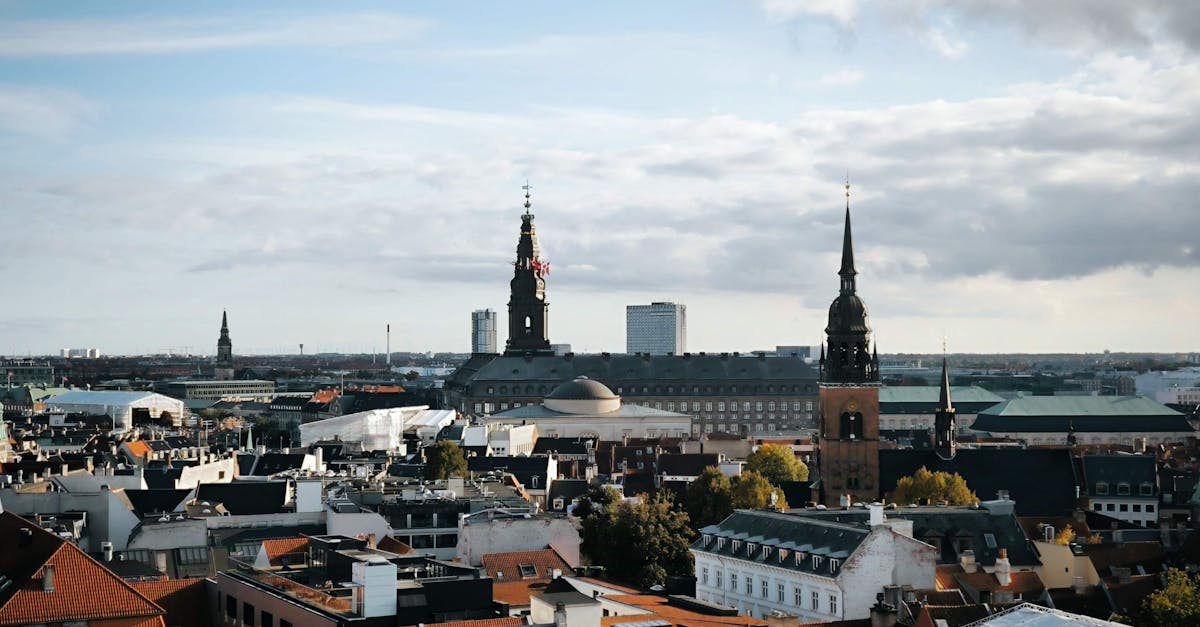
"Copenhagen's harbour water is so clean that locals swim in it daily — a point of Danish environmental pride."
🏊 Swim
Harbour swim in central Copenhagen — athletes swim through the city's clean harbour channels. Cool water (18-20°C) with wetsuit usually allowed. Unique urban experience swimming past modern Danish architecture.
🚴 Bike
Fast, flat course heading south from Copenhagen through the Danish countryside. Two laps with virtually zero climbing. Strong headwinds on the exposed bridges are the main challenge. Smooth Danish roads and cycling infrastructure.
🏃 Run
Flat four-lap run through Copenhagen's parks and waterfront. Passes landmarks including the Little Mermaid, Nyhavn, and Christiansborg Palace. The iconic finish on the red carpet at Islands Brygge is unforgettable.
Transition Details
T1/T2 are in different locations · Surface: pavement
Weather
Typical: 18°C, 60% humidity.
Registration
https://example.com/ironman-copenhagen
The Story
The harbour smells like salt and clean concrete. At six in the morning, the water in Copenhagen's channels is dark and glassy, reflecting the angular facades of Danish architecture that line the quays. Somewhere nearby, commuters are already cycling to work — Copenhagen is a city that moves on two wheels, and on race morning, the irony of a 180-kilometre bike ride through the world's most cycle-friendly country is not lost on anyone.
Ironman Copenhagen was born in 2013, a newcomer by Ironman standards, yet it found its identity almost immediately. The swim is what sets the tone. This is not an ocean start. This is not a lake. Athletes plunge into the city's harbour channels — the same water where Copenhageners swim on their lunch breaks, where kids jump off the quays in summer, where harbour baths have turned the working waterfront into a public pool. The Danish capital spent decades cleaning its harbour to swimmable standards, and the Ironman swim is, in a way, a celebration of that civic achievement. The water sits around 18°C in late August — bracing enough to sharpen the senses, cool enough that wetsuits are the norm. The single-lap course threads through channels lined with spectators peering down from bridges, the sound of cheering echoing off concrete and glass.
Out of the water and onto the bike, and Denmark reveals its essential character: flat, wide, windy, and beautifully maintained. The two-lap course heads south from the city into the agricultural countryside, and the absence of climbing — barely 400 metres over 180 kilometres — creates a deceptive simplicity. This is not an easy ride. The wind is the thing. Denmark is a country shaped by the wind, and the exposed bridges and coastal stretches funnel North Sea air into headwinds that can add thirty minutes to your bike split. At 21 km/h average, the wind on race day is not a possibility but a certainty. The saving grace is the tarmac: Danish cycling infrastructure means the roads are immaculate, the surfaces predictable, and the corners smooth.
The run is a four-lap tour of Copenhagen's greatest hits — past the Little Mermaid in her harbour alcove, along Nyhavn's colourful façades, around Christiansborg Palace. It is flat in the way that only a city built on reclaimed land can be flat: 38 metres of total elevation over a full marathon. The crowds thicken as the evening deepens, and the finish at Islands Brygge — Copenhagen's waterfront district, the same neighbourhood where the morning swim began — closes the loop with a symmetry that feels intentional.
What makes Copenhagen special is not any single feature but the accumulation of small things done well. The water is clean because the Danes decided it should be. The roads are smooth because cycling is a national priority. The crowds are warm because Scandinavians channel their enthusiasm into genuine, measured support rather than noise. The average finish time of 12 hours sits comfortably in the middle of the Ironman spectrum, and the 7% DNF rate suggests a course that is honest — demanding enough to test you, forgiving enough to let preparation win. Since 2013, over 37 countries have been represented on the start line, proof that the race's reputation has spread well beyond Scandinavia.
Copenhagen is the thinking person's Ironman. It rewards patience on the bike, discipline in the wind, and an appreciation for the fact that racing through a capital city's harbour is a privilege that exists only because an entire culture decided to build something worth swimming in.
"You swim through the city, ride through the countryside, and run past a thousand years of history. Copenhagen puts the whole country on the course."
"The wind is the hidden climb. You look at the elevation profile and think it's easy. Then you ride the bridges."
"I've never raced an Ironman where the swim felt like swimming through a living city. People were cheering from their balconies in bathrobes."
What It Feels Like
Copenhagen is an honest course that rewards smart racing. The swim is a gift — unique, scenic, calm. The bike is the exam — not in climbing but in wind management and patience. The run is the reward — flat, beautiful, and progressively better supported as night falls. The average 12-hour finish time reflects a course where strong cyclists dominate but disciplined athletes of any level can produce their best work.
🏊 The Swim
The harbour swim is unlike anything else in Ironman racing. The channels are narrow enough that you can hear spectators on the bridges above, their cheers bouncing off the glass-and-steel buildings that line the waterfront. At 18°C, the water is invigorating rather than painful — cold enough to keep your heart rate honest in the opening kilometres. The calm, currentless conditions mean sighting is straightforward, and the single-lap course eliminates the psychological drag of swimming past the exit twice. The urban setting makes it feel less like a race start and more like a city event you happen to be swimming through.
🚴 The Bike
Do not be fooled by 400 metres of elevation gain. The Copenhagen bike is a wind course disguised as a flat course, and the distinction matters enormously. Two laps through the Danish countryside on pristine roads, averaging barely two metres above sea level, with nothing between you and the North Sea except flat agricultural land. The bridges are the crux — exposed, elevated, channelling wind into concentrated gusts. Your power meter becomes your best friend here. Hold your numbers, accept the slow sections, and know that the athletes who chase speed into the headwind will pay double on the run.
🏃 The Run
Four laps through Copenhagen's cultural core, each one bringing you past the Little Mermaid, through the colours of Nyhavn, around the palace at Christiansborg. The flatness is absolute — 38 metres of gain over 42 kilometres. This is a metronome course: pick a pace, hold the pace, trust the pace. The crowds build through the evening, and by the final lap, the waterfront promenade at Islands Brygge is lined three-deep with Danes who understand endurance because they cycle through winter darkness for half the year.
Legendary Moments
The Inaugural Splash
Copenhagen hosts its first Ironman, with athletes swimming through the newly cleaned harbour channels. The race sells out in record time, confirming Scandinavian appetite for full-distance triathlon.
The Wind Year
Gusting crosswinds on the Øresund Bridge approaches turn the bike course into a battle of survival. Bike splits balloon by 20-30 minutes across the field. Athletes who respected the wind conditions posted massive negative splits on the run.
Course Record Falls
Ideal conditions — light winds, 19°C — produce the fastest day in Copenhagen history. Multiple age-group records fall across categories, cementing the course's reputation as one of Europe's fastest when the wind cooperates.
Ten Years of Harbour Swimming
The race celebrates a decade with record international participation — 37 countries represented among nearly 3,000 finishers. Copenhagen has become a permanent fixture on the European Ironman calendar.
💡 Insider Tips
- → Train for wind, not hills. If you live somewhere flat, practice riding at steady power into headwinds. The bridges will hit you with 30+ km/h gusts from the side — practice holding your line in crosswinds with your race-day wheel setup.
- → The harbour water runs 18-20°C in August. If you're not a confident cold-water swimmer, do several open-water sessions below 20°C before race day. Wetsuit is almost always legal but thermal shock in the first 200m is real.
- → The run course has four laps — use each one psychologically. Lap one is assessment. Lap two is execution. Lap three is grit. Lap four is everything you have left. The repeated course means you can stash personal nutrition at a consistent point.
- → Book accommodation in Islands Brygge or Vesterbro — both within walking distance of the start/finish and connected by excellent public transport. Copenhagen's cycling infrastructure means a rental bike is the best way to move around during race week.
- → Wind direction shifts between morning and afternoon. Study the forecast the day before and have a pacing plan for both headwind and tailwind sections. Athletes who maintain 70-75% FTP regardless of wind speed consistently post better run splits.
- → The Scandinavian daylight in August means the run course is well-lit naturally until late evening. But temperatures drop as the sun lowers — pack a light run top in your T2 bag if you expect to finish after 8pm.
Fun Facts
- ▸ Copenhagen's harbour water is so clean that locals swim in it daily — a point of Danish environmental pride.
- ▸ The flat course and fast conditions have produced multiple Ironman course records.
- ▸ Denmark's cycling culture means the bike course has world-class road surfaces and infrastructure.
Prepare for This Race
More Races in Denmark
FAQ
What distance is the Ironman Copenhagen? +
The Ironman Copenhagen is a Ironman (Full Distance) distance triathlon: 3800m swim, 180km bike, and 42.2km run (226km total) in Copenhagen, Denmark.
When is the Ironman Copenhagen? +
The next edition is on August 25, 2026. The race is typically held in August.
Water temperature and wetsuit rules? +
Canal water at 18°C average. Wetsuit rules are conditional.
How hilly is the bike course? +
400m of climbing over 180km. Profile: flat. Drafting not allowed.
What's the weather like on race day? +
10–20°C, 60% humidity, 40% rain chance, 21 km/h winds.
Average finish time? +
Approximately 12h. Varies with conditions and athlete experience.
Are you the race organizer?
Claim This RaceFree · Get featured on our homepage · Edit your race details