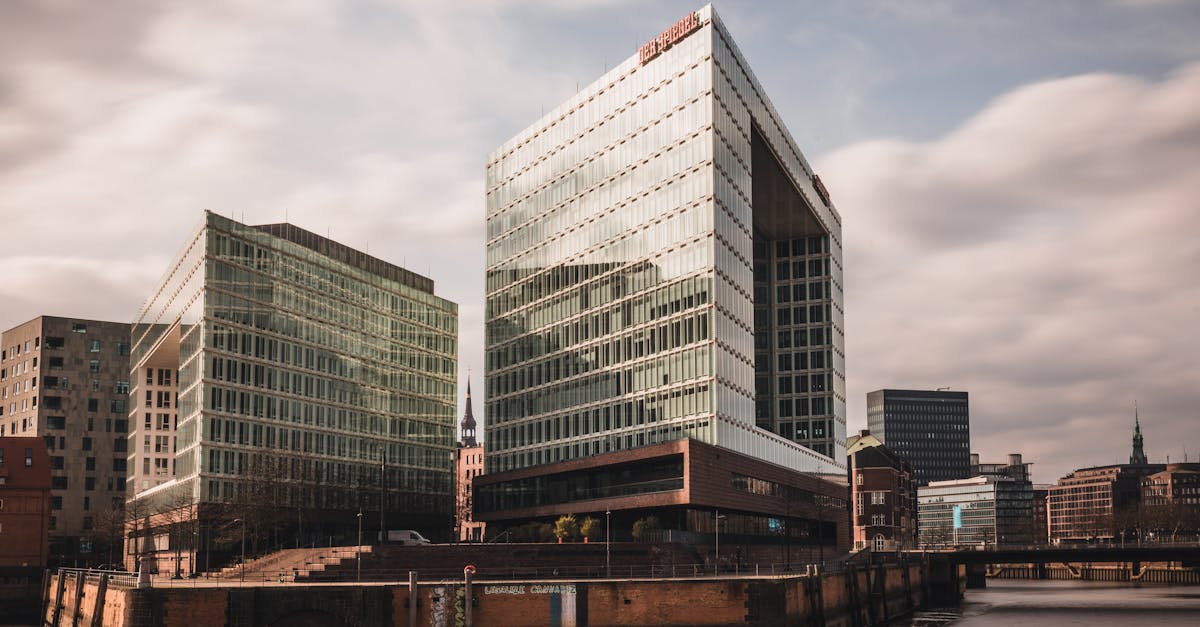
"Hamburg Ironman features a unique city-center swim in the Alster Lake."
🏊 Swim
Alster Lake swim in the heart of Hamburg
🚴 Bike
Flat course through Schleswig-Holstein countryside
🏃 Run
City run through Hamburg streets along the Alster
Transition Details
T1/T2 are in the same location · Surface: grass
Weather
Typical race-day conditions: 20°C with 60% humidity.
Registration
https://www.example.com/ironman-hamburg
The Story
Hamburg is not the city you picture when you think Ironman. There are no mountains. There is no tropical ocean. There is no sun-drenched Mediterranean coastline. What there is: a river that cuts through the centre of Germany's second-largest city, a lake that sits in its heart like a green jewel, and a triathlon culture so deep that Germans simply refer to Hamburg as the spiritual home of their sport. On race morning, the Alster — Hamburg's urban lake — steams gently in the June air while 2,500 athletes prepare to do something no other Ironman course in the world permits: race in draft-legal formation.
This is Hamburg's singular distinction. Where every other Ironman on the calendar enforces a strict drafting ban on the bike, Hamburg has experimented with a format that allows athletes to ride together in packs, fundamentally altering the race's dynamics. The result is something closer to Olympic-distance triathlon racing stretched across Ironman distance — tactical, fast, and chaotic in a way that purists either love or distrust. It has made Hamburg the most debated Ironman course on the calendar and, for many, the most exciting.
The swim sets the tone for urban racing. The Alster is a dammed section of the Alster River that forms an artificial lake in the centre of Hamburg, surrounded by elegant Hanseatic townhouses, tree-lined promenades, and park benches where locals sit with their morning coffee watching athletes thrash through the water below. At 18°C, the water is cool enough to tighten your chest on entry and warm enough that the chill passes within the first 400 metres. The single-lap course stays within the inner Alster basin, and the proximity of the spectators — many of them standing on bridges directly above — creates an intimacy that ocean or lake swims simply can't match. You can hear individual voices. You can see people pointing. The urban swim is a performance, and Hamburg knows it.
The bike heads north out of the city through the flat Schleswig-Holstein countryside — 400 metres of total elevation over 180 kilometres, which in any other context would make this a speed course. But the draft-legal format transforms the dynamics entirely. Athletes cluster into packs, shelter behind each other on the exposed flats, and the race becomes about positioning and awareness rather than pure aerobic capacity. The countryside rolls by in gentle agricultural waves — rapeseed fields, dairy farms, small German villages with brick churches — while inside the pelotons, athletes are making tactical decisions usually reserved for professional road cycling. It is thrilling and controversial in equal measure.
Back in Hamburg for the run, and the city reveals why it works as a race venue. The marathon course follows the Alster's banks through parks and waterfront promenades, threading through neighbourhoods where Hamburg's residents turn out in force. German triathlon fans are knowledgeable — they know what a 4:50 marathon split after 180 kilometres means, they know when an athlete is fighting, and they respond with a kind of directed enthusiasm that is less cheerleading and more coaching. The flat course — 80 metres of elevation over 42 kilometres — removes any excuse except your own fitness and the quality of your preparation.
Hamburg hosts the ITU World Triathlon Series, the Ironman, and multiple other multi-sport events throughout the year. This is not a city that borrowed triathlon; it grew triathlon. The 34% female participation rate is among the highest in Ironman racing globally. The 39 countries represented in the field suggest broad international appeal. And the average finish time of 11:48 — fast for a full Ironman despite the complexities of draft-legal racing — confirms that Hamburg produces honest results on an honest course. The city doesn't need mountains or palm trees. It has the Alster, a deep triathlon culture, and a willingness to do things differently.
"Hamburg is where triathlon lives in Germany. You swim in the city's heart, ride with a pack, and run past people who actually understand the sport."
"The draft-legal bike changes everything. You can't just ride your own race — you have to think like a cyclist, not just a triathlete. It's brilliant or terrifying depending on your perspective."
"I was swimming through the inner Alster and looked up to see a man on a bridge holding his coffee and waving. Hamburg treats Ironman like a neighbourhood event that happens to be 226 kilometres long."
What It Feels Like
Hamburg is the maverick of the Ironman calendar. The urban swim sets the scene. The draft-legal bike rewrites the rules. The flat run delivers the verdict. The 11:48 average finish time disguises the tactical complexity — this is not just a fitness test but a racing IQ test. The 7% DNF rate is respectable given the pack dynamics, and the 34% female participation rate suggests a course that is genuinely welcoming. Hamburg doesn't try to be Kona or Nice. It's something entirely its own.
🏊 The Swim
The inner Alster is triathlon's urban swimming pool. Surrounded by the grand facades of Hamburg's city centre, the water sits calm and contained — no waves, no currents, no tidal surprises. At 18°C, it's brisk on entry but quickly comfortable. The single-lap course keeps you close to the banks, where spectators lean over railings and stand on bridges directly overhead. The acoustic experience is unique: cheering echoes off stone buildings and water simultaneously. Sighting is simple against the architectural landmarks. This is a swim designed for racing, not survival.
🚴 The Bike
The only draft-legal Ironman bike course in the world transforms 180 kilometres of flat Schleswig-Holstein farmland into a tactical chess match. With 400 metres of elevation, the terrain offers no hiding places — this is about positioning, pack management, and the nerve to ride wheel-to-wheel at 38 km/h with age-group athletes of varying bike-handling ability. The agricultural scenery is pleasant but secondary to the racing dynamics. If you're comfortable in a group, this course is exhilarating. If you prefer to ride alone, you'll need to be strong enough to stay ahead of the packs or disciplined enough to use them without taking risks.
🏃 The Run
Hamburg's marathon is a city-park tour — two laps along the Alster's banks through tree-lined paths, waterfront promenades, and residential neighbourhoods where the spectators have genuine sporting knowledge. The 80 metres of elevation gain is negligible; this is a flat, fast run surface. The draft-legal bike often means athletes arrive at T2 with fresher legs than on a conventional Ironman course, and the run splits reflect it. The atmosphere builds through the afternoon as Hamburg's triathlon community gathers along the route, and the finish area near the Alster becomes a block party that runs well past midnight.
Legendary Moments
Hamburg's Ironman Debut
The city that already hosts the ITU World Triathlon Series adds a full Ironman to its calendar. The urban course through the Alster and Schleswig-Holstein countryside immediately distinguishes itself with a draft-legal bike leg — the only one in Ironman racing.
The Draft-Legal Debate
The unique bike format sparks fierce debate in the triathlon community. Supporters argue it makes racing more exciting and tactical; critics say it undermines the individual nature of Ironman. Hamburg leans into the controversy, and registration fills faster than ever.
Record Female Participation
Hamburg records 34% female starters — one of the highest rates in Ironman history. The city's accessible course, strong triathlon community, and progressive sporting culture drive the number, setting a benchmark for gender participation in full-distance racing.
Tactical Racing Matures
After several years of the draft-legal format, the field has adapted. Pack dynamics become more sophisticated, with age-groupers forming organised pelotons and sharing pace duties. The race increasingly resembles professional road cycling with a swim and run attached.
💡 Insider Tips
- → Practise group riding before this race. The draft-legal bike means you'll be in close proximity to other athletes for up to five hours. If you haven't ridden in a peloton, join a local cycling group ride for at least six weeks before race day. Wheel-following skills and comfort at 35-40 km/h in a group are essential.
- → Position yourself well in the swim — the transition from swim to bike determines which pack you'll join. A strong swim puts you in a faster, more skilled group. A weak swim means you'll need to bridge up or accept a slower pack. The first 10 minutes of the bike are critical for group formation.
- → The flat bike course and drafting advantage mean your legs arrive at T2 in better shape than a typical Ironman. This is a run-course race — the marathon is where results are decided. Train your run volume higher than you would for a hilly, non-drafting Ironman.
- → Hamburg in June can surprise with weather — expect anything from 15°C rain to 28°C sunshine. Pack for both in your transition bags. A light rain jacket that stuffs into a jersey pocket weighs nothing and can save your race if conditions turn.
- → The Alster swim is sheltered but the water temperature varies. If wetsuits are banned (above 24.5°C), your swim strategy changes — practise non-wetsuit open water swimming to avoid race-day surprises. The buoyancy difference is real.
- → Eat like a local during race week — Hamburg's fish markets and bakeries are excellent. Stick to what you know on race day, but the smoked fish and fresh bread are ideal low-risk carb-loading options in the days before.
Fun Facts
- ▸ Hamburg Ironman features a unique city-center swim in the Alster Lake.
Prepare for This Race
More Races in Germany
FAQ
What distance is the Ironman Hamburg? +
The Ironman Hamburg is a Ironman (Full Distance) distance triathlon: 3800m swim, 180km bike, and 42.2km run (226km total) in Hamburg, Germany.
When is the Ironman Hamburg? +
The next edition is on June 23, 2026. The race is typically held in June.
Water temperature and wetsuit rules? +
Lake water at 18°C average. Wetsuit rules are conditional — forbidden above 24.5°C.
How hilly is the bike course? +
400m of climbing over 180km. Profile: flat. Drafting not allowed.
What's the weather like on race day? +
15–23°C, 60% humidity, 16% rain chance, 15 km/h winds.
Average finish time? +
Approximately 11h 48m. Varies with conditions and athlete experience.
Are you the race organizer?
Claim This RaceFree · Get featured on our homepage · Edit your race details