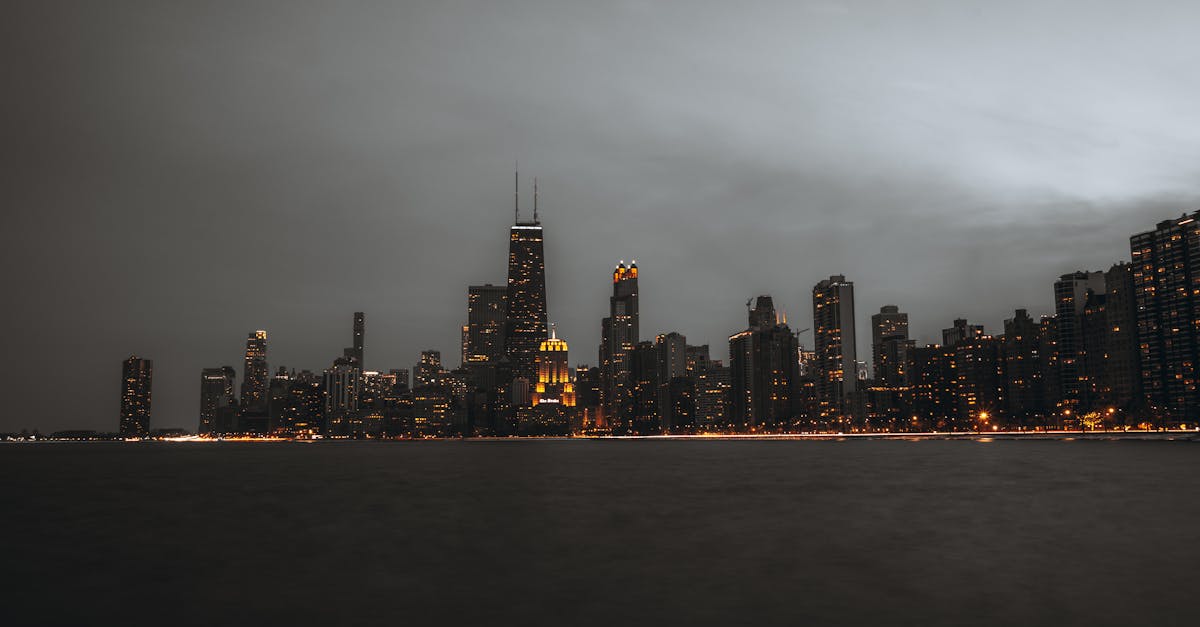
"Lake Placid was the first Ironman race outside Hawaii (since 1999) and remains one of the most prestigious."
🏊 Swim
Swim in Mirror Lake — a pristine Adirondack mountain lake in the heart of Lake Placid village. Clean, cool water (20-22°C) surrounded by towering pines. Two-lap course with a short beach run between laps. The mountain reflection on calm mornings is breathtaking.
🚴 Bike
Two-lap course through the Adirondack Mountains. 1,500m of climbing including the long, grinding ascent of Route 86 past Whiteface Mountain. Dense forest, rolling terrain, and sharp descents. The scenery is stunning but the climbing is relentless.
🏃 Run
Two-lap run along Mirror Lake Drive and through Lake Placid village. Rolling with 300m of climbing — including the dreaded out-and-back on River Road. The village atmosphere is electric, with spectators lining the main street. Finish on the Olympic oval where the 1980 Miracle on Ice happened.
Transition Details
T1/T2 are in the same location · Surface: grass
Weather
Typical race-day conditions: 22°C with 55% humidity.
Registration
https://www.example.com/ironman-lake-placid
The Story
Lake Placid has been a temple of athletic suffering since long before triathlon arrived. The tiny Adirondack village hosted the Winter Olympics in 1932 and 1980 — the latter forever immortalised by the US hockey team's "Miracle on Ice" victory over the Soviet Union. The Olympic oval where that miracle happened is now the Ironman finish line, and crossing it carries a weight that transcends triathlon.
The race has been held since 1999, making it one of the first Ironman events outside Hawaii. It was Ken Glah's vision — a course that would showcase the Adirondack Mountains while testing athletes with real climbing, cold water, and an atmosphere of small-town American support that echoes the community spirit of Roth or Tenby.
Mirror Lake, where the swim begins, is one of the most photogenic bodies of water in the northeastern United States. Surrounded by towering pines and reflected mountains, the lake sits at 570 metres elevation — high enough that the water temperature hovers around 20-22°C even in July. The two-lap swim with a short beach run between laps gives athletes a moment to assess their effort, adjust their goggles, and brace for what the bike course is about to deliver.
And the bike delivers. The two-lap course through the Adirondack Mountains accumulates 1,500 metres of climbing — not through one or two big passes, but through the relentless undulation of mountain roads that never stay flat for long. Route 86 past Whiteface Mountain is the signature section — a long, grinding climb through dense forest with Whiteface's summit visible above the treeline. The descent back to Lake Placid is fast and winding, through roads that snake between mountain ridges with limited sightlines.
The run is two laps along Mirror Lake Drive and through the village. It's hilly — 300 metres of climbing across the marathon — and the notorious River Road out-and-back adds a mental challenge to the physical one. But the village atmosphere compensates: Lake Placid shrinks to a single purpose on race day, and the spectator support along Mirror Lake Drive is constant, vocal, and personal in the way that only small-town America can deliver.
The finish on the Olympic oval — under the scoreboard where "Do you believe in miracles?" was first shouted — is one of triathlon's great moments. You run across the same surface where Jim Craig draped himself in the American flag. The ghosts of two Winter Olympics watch you finish. For American triathletes especially, Lake Placid carries an emotional resonance that no other domestic Ironman can match.
"Finishing on the Olympic oval. Standing where the Miracle on Ice happened. Nothing in triathlon compares to that."
"The Adirondacks will chew you up on the bike if you don't respect them. These aren't polite European hills. They're raw."
"Mirror Lake at dawn. The mountains reflected in the water. Then 2,500 people charge in and destroy the reflection. It's perfect."
What It Feels Like
Lake Placid is the blue-collar Ironman. No Caribbean water, no Alpine grandeur, no volcanic drama. Just an honest mountain course in an honest American town where the community gives everything and the landscape demands your respect. The athletes who love Lake Placid — and they're fiercely loyal — love it for its authenticity. The finish on the Olympic oval adds a layer of historical significance that transforms a very good Ironman into an unforgettable one.
🏊 The Swim
Mirror Lake earns its name on calm mornings. You wade in and the water is cool — not cold like Wales, but bracing enough that the first hundred strokes are about adjusting. The lake bottom is visible through the clear water. Mountains frame every sighting. The two-lap format with a beach run between laps is unusual — you emerge after lap one, jog 50 metres on the beach, and dive back in. The second lap always feels harder, partly because the novelty has worn off and partly because you're already thinking about 1,500m of bike climbing.
🚴 The Bike
The Adirondacks don't posture. There's no one iconic climb, no named pass, no summit finish. Instead, the road just never stops going up and down. Two laps of mountain roads that undulate through forests of pine and birch, past pristine lakes, over bridges that span rocky streams. The Route 86 section past Whiteface is the longest sustained climbing — 8km at 3-4% — but it's the accumulation of a hundred smaller rises that drains your legs. The descents are technical: winding, tree-lined, with frost-heaved pavement in places. By the time you return to Lake Placid on the second lap, your legs carry the memory of every rise.
🏃 The Run
The Lake Placid marathon is a tale of two halves: the Mirror Lake Drive section is scenic, gently rolling, and well-supported. The River Road out-and-back is exposed, hilly, and lonely. You run away from the village into increasingly sparse support, then turn around and run back. Twice. The second time down River Road, with 30+ km already in your legs, is where Lake Placid's run separates finishers from sufferers. The return to Main Street on the final lap — with the Olympic oval waiting — pulls you through with crowd energy and the knowledge that you're about to finish on hallowed ground.
Legendary Moments
The First Lake Placid Ironman
One of the earliest Ironman races outside Hawaii. The Adirondack setting and the Olympic oval finish immediately establish Lake Placid as a marquee event.
The Heat Year
Unseasonable heat bakes the Adirondacks. Athletes trained for mountain cool face 32°C on the run. The contrast between the cold lake swim and the scorching run catches many off guard. Lake Placid proves it has more than one way to hurt you.
The Flood Year
Torrential rain floods sections of the bike course. River crossings appear where roads should be. Athletes ride through ankle-deep water. The race goes ahead because Adirondack athletes don't cancel for rain — they lean into it.
The 25th Anniversary
Lake Placid celebrates 25 years of Ironman. Original 1999 finishers return to race. The village's quarter-century relationship with the race is honoured at a ceremony on the Olympic oval.
💡 Insider Tips
- → Train for sustained moderate climbing, not steep ramps. The Adirondack gradients are 3-5% for extended stretches. Build your climbing endurance with long tempo rides on rolling terrain.
- → The two-lap swim with beach run is unusual — practice exiting the water, jogging 50m, and re-entering. The transition between swimming and running and swimming again is more disorienting than you'd expect.
- → River Road on the run is exposed to sun with no shade. If the weather is warm, prepare a heat strategy — ice cap, neck cooling, walking aid stations — specifically for this section.
- → The bike descents are technical with variable road surface. If you're not confident descending on narrow mountain roads, practice before race day. A mechanical or crash in the Adirondacks is a long wait for support.
- → Book accommodation on Mirror Lake Drive. The proximity to the start/finish and the atmosphere of race week in the village is part of the Lake Placid experience.
- → The Olympic oval finish is on a running track surface. Take off your sunglasses for the final stretch — you'll want to see and remember everything.
Fun Facts
- ▸ Lake Placid was the first Ironman race outside Hawaii (since 1999) and remains one of the most prestigious.
- ▸ The finish is on the same oval where the US hockey team beat the Soviet Union in the 1980 'Miracle on Ice'.
- ▸ The Adirondack Park surrounding the course is the largest protected area in the contiguous United States.
- ▸ Whiteface Mountain, visible from the bike course, is the fifth-highest peak in New York State.
Prepare for This Race
More Races in United States
San Francisco · 52km · olympic
Chicago · 52km · olympic
New York · 52km · olympic
New York · 52km · olympic
New York · 51.5km · olympic
Los Angeles · 51.5km · olympic
FAQ
What distance is the Ironman Lake Placid? +
The Ironman Lake Placid is a Ironman (Full Distance) distance triathlon: 3800m swim, 180km bike, and 42.2km run (226km total) in Lake Placid, United States.
When is the Ironman Lake Placid? +
The next edition is on July 12, 2026. The race is typically held in July.
Water temperature and wetsuit rules? +
Lake water at 20°C average. Wetsuit rules are conditional — forbidden above 24.5°C.
How hilly is the bike course? +
1900m of climbing over 180km. Profile: hilly. Drafting not allowed.
What's the weather like on race day? +
15–27°C, 55% humidity, 15% rain chance, 18 km/h winds.
Average finish time? +
Approximately 12h 30m. Varies with conditions and athlete experience.
Are you the race organizer?
Claim This RaceFree · Get featured on our homepage · Edit your race details