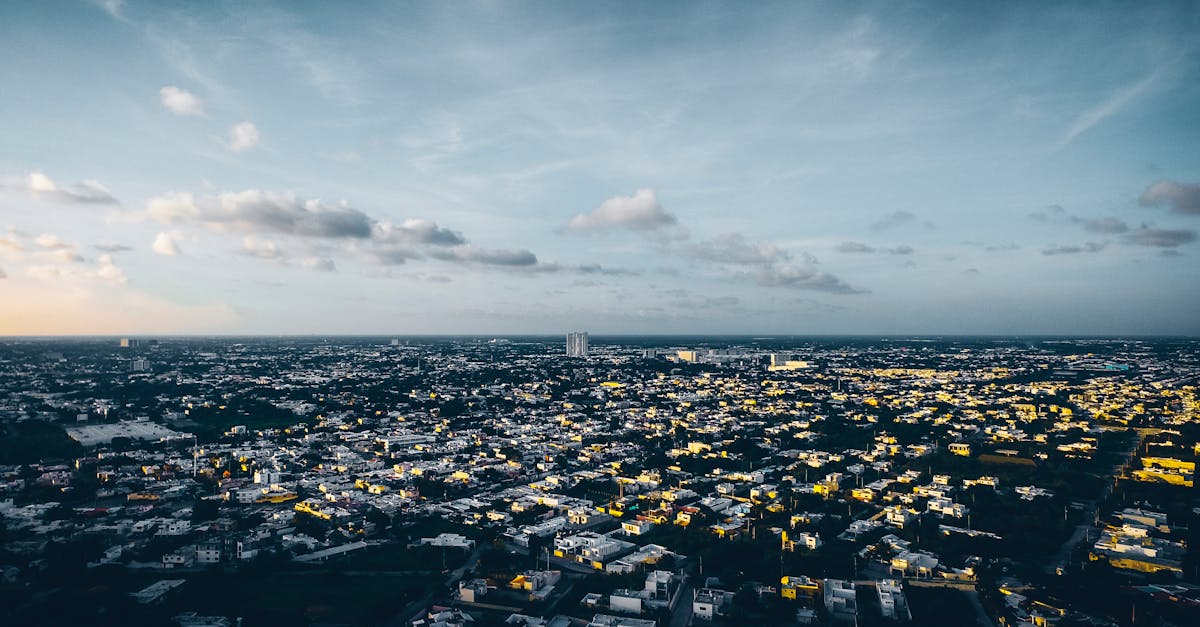
"Cozumel is consistently one of the fastest Ironman courses in the world due to its flat terrain."
🏊 Swim
Crystal-clear Caribbean swim off Cozumel island. Warm (28°C+) turquoise water with incredible underwater visibility. A strong southward current typically aids swimmers on one leg and challenges them on the return. No wetsuits allowed. One of the most beautiful swim courses in triathlon.
🚴 Bike
Pancake-flat three-lap course around the island of Cozumel. Zero meaningful climbing. The only challenge is wind — Cozumel's coastal exposure means crosswinds on the eastern shore can be significant. Otherwise, this is one of the fastest Ironman bike courses in the world.
🏃 Run
Three-lap flat run along the Cozumel waterfront. Heat and humidity are the main challenge — 30°C+ with tropical humidity. Aid stations are frequent and well-stocked. The course is entirely flat with ocean views throughout.
Transition Details
T1/T2 are in the same location · Surface: pavement
Weather
Hot and humid tropical conditions: 30°C with 75% humidity. The heat is the primary challenge. Early morning swim start helps, but the run is always hot.
Registration
https://www.example.com/ironman-cozumel
The Story
Cozumel is the triathlete's tropical paradox: a flat, fast Ironman course in one of the most beautiful locations on earth, where the primary adversary isn't climbing or cold or wind — it's heat, humidity, and the seductive trap of swimming too slowly in water so beautiful you forget you're racing.
The island sits 20 kilometres off Mexico's Yucatán Peninsula in the Caribbean Sea. The water is crystal-clear, turquoise, and warm — typically 28°C or above, which means wetsuits are banned for competitive age-groupers. You swim in the open Caribbean, over white sand and coral, with visibility exceeding 30 metres. Fish dart beneath you. The temptation to stop and float is real. This is, by any measure, the most beautiful Ironman swim in the world.
But the swim has teeth. A powerful southward current runs along Cozumel's western shore, and the course routing means you'll fight it on one leg and ride it on the other. The net effect can add 5 minutes for athletes who navigate poorly, or save 5 minutes for those who read the current correctly and angle their sighting. Swim strategy matters at Cozumel more than almost any other Ironman.
The bike is three laps around the island — flat, fast, and monotonous in the most productive sense of the word. Total climbing is roughly 100 metres. The road surface is good, the route is straightforward, and the three-lap format means you learn the course on lap one and optimize on laps two and three. Cozumel has produced some of the fastest Ironman bike splits in history precisely because there is nothing to slow you down except wind and poor pacing.
And then the heat comes for you. By the time you start the marathon — also three laps, along the island's western waterfront — the tropical sun has been working on you for 6-8 hours. Temperatures regularly exceed 30°C. Humidity sits above 70%. Your body's cooling system is working at maximum capacity and losing the battle. The aid stations are oases — ice, water, cola, sponges — and the athletes who walk them all, taking 30 seconds to properly cool down, finish faster than the athletes who run through.
Cozumel is where Kona dreams are forged. The generous slot allocation (50+), the flat course, and the warm conditions attract thousands of athletes specifically targeting qualification. The rolldown ceremony after the race has its own drama — athletes who narrowly missed automatic qualification sitting in the audience, hoping someone above them declines. When a slot drops, the eruption of joy from the next person in line is unforgettable.
The island embraces race week like a festival. The small-town atmosphere, the Mexican hospitality, the post-race tacos and margaritas on the waterfront — Cozumel manages to be simultaneously a serious qualification race and one of the most enjoyable Ironman experiences in the world.
"I've never swum in water so beautiful that I forgot I was racing. Cozumel does that."
"The heat is the course. There are no hills to climb at Cozumel. The hill is the temperature."
"I came to Cozumel for a Kona slot. I came back for the tacos."
What It Feels Like
Cozumel is a test of thermoregulation disguised as a triathlon. The course is flat, the swim is glorious, the bike is fast, and none of that matters if you can't manage your body temperature for 10-12 hours in tropical heat. Athletes who prepare for heat — acclimatization protocols, sodium loading, ice-based cooling strategies — thrive here. Athletes who show up with flat-course speed and no heat plan fall apart on the run. The beauty of the island makes the suffering feel worthwhile, and the post-race recovery on a Caribbean beach is the best in Ironman.
🏊 The Swim
You jump off the pier and the Caribbean swallows you in warmth. The water is so clear you can count the grains of sand on the bottom. No wetsuit — just you, your goggles, and a few thousand other athletes in water that feels like a bathtub. The beauty is dangerous because it relaxes you. Then the current reminds you this is a race. On the northbound leg, you're swimming against it — your GPS pace drops, frustration builds. On the return, the current carries you and you feel like a genius. The smart swimmers angle into the current from the start and sight aggressively. The less prepared ones swim an extra 400 metres fighting it.
🚴 The Bike
Three laps. Flat. Fast. Boring in the best possible way. The eastern shore of the island gives you a tailwind or a headwind depending on the day, and the wind is the only variable on a course with essentially zero elevation. This is a time-trial course — your power output translates directly to speed with no gradient interference. The three-lap format creates a unique psychology: lap one is reconnaissance, lap two is execution, lap three is willpower. Some athletes love the repetition. Others find it suffocating. The smart ones use each lap to refine their nutrition, their position, and their pacing.
🏃 The Run
The heat owns the Cozumel run. Three laps along the western waterfront in 30°C+ tropical humidity. The course is flat — that's not the problem. The problem is that your core temperature has been rising since the swim and you're now asking your body to run a marathon in conditions that your cooling system wasn't designed for. The aid stations every mile are critical: ice in your cap, cold sponge on your neck, cola for sugar and caffeine, water to drink. Walk them all. The athletes who race the aid stations rather than race between them are the ones who run well at Cozumel.
Legendary Moments
The First Edition
Ironman Cozumel launches and immediately earns a reputation as one of the fastest courses in the world. The combination of flat terrain and warm water produces stunning times.
The Current Year
An unusually strong southward current catches athletes off guard. Swim times vary by over 15 minutes between those who navigated the current well and those who fought it. Cozumel proves that flat doesn't mean simple.
Record Slot Allocation
Cozumel allocates over 60 Kona qualification slots — the largest allocation outside of continental championship races. The island becomes the world's most popular Kona qualifying destination.
💡 Insider Tips
- → Heat acclimatization is the single most important preparation. 10-14 days of training in heat before the race, or sauna protocols, are non-negotiable for a good Cozumel run.
- → Study the swim current before race day. The direction and strength vary. Attend the race briefing and ask locals about the current pattern. On race morning, watch the surface water movement from the pier.
- → The bike is a power game. No hills means no recovery. Set your target watts and hold them for 180km. The three-lap format makes it easy to track — if you're faster on lap 2 than lap 1, you started too conservatively. If you're slower, you started too aggressively.
- → Increase sodium intake starting 3 days before the race. The heat and humidity cause massive sodium loss. Race with sodium tablets and take one every 30-45 minutes on the bike and run.
- → Bring a sun visor for the run, not a cap. The visor allows heat to escape from the top of your head while shading your face. Stuff ice under it at every aid station.
- → Fly in 3-4 days early and do a short swim from the pier to calibrate your sighting for the current. The current direction from shore looks different than it feels in the water.
Fun Facts
- ▸ Cozumel is consistently one of the fastest Ironman courses in the world due to its flat terrain.
- ▸ The swim current can save 5+ minutes or add 5+ minutes depending on direction — strategy matters.
- ▸ Cozumel allocates 50+ Kona slots, making it one of the most popular Kona qualifying races.
- ▸ The island's crystal-clear water (30m+ visibility) makes this arguably the most beautiful Ironman swim.
Prepare for This Race
More Races in Mexico
FAQ
What distance is the Ironman Cozumel? +
The Ironman Cozumel is a Ironman (Full Distance) distance triathlon: 3800m swim, 180km bike, and 42.2km run (226km total) in Cozumel, Mexico.
When is the Ironman Cozumel? +
The next edition is on November 19, 2026. The race is typically held in November.
Water temperature and wetsuit rules? +
Ocean water at 28°C average. Wetsuits are not allowed.
How hilly is the bike course? +
100m of climbing over 180km. Profile: flat. Drafting not allowed.
What's the weather like on race day? +
25–32°C, 75% humidity, 38% rain chance, 20 km/h winds.
Average finish time? +
Approximately 11h 30m. Varies with conditions and athlete experience.
Are you the race organizer?
Claim This RaceFree · Get featured on our homepage · Edit your race details