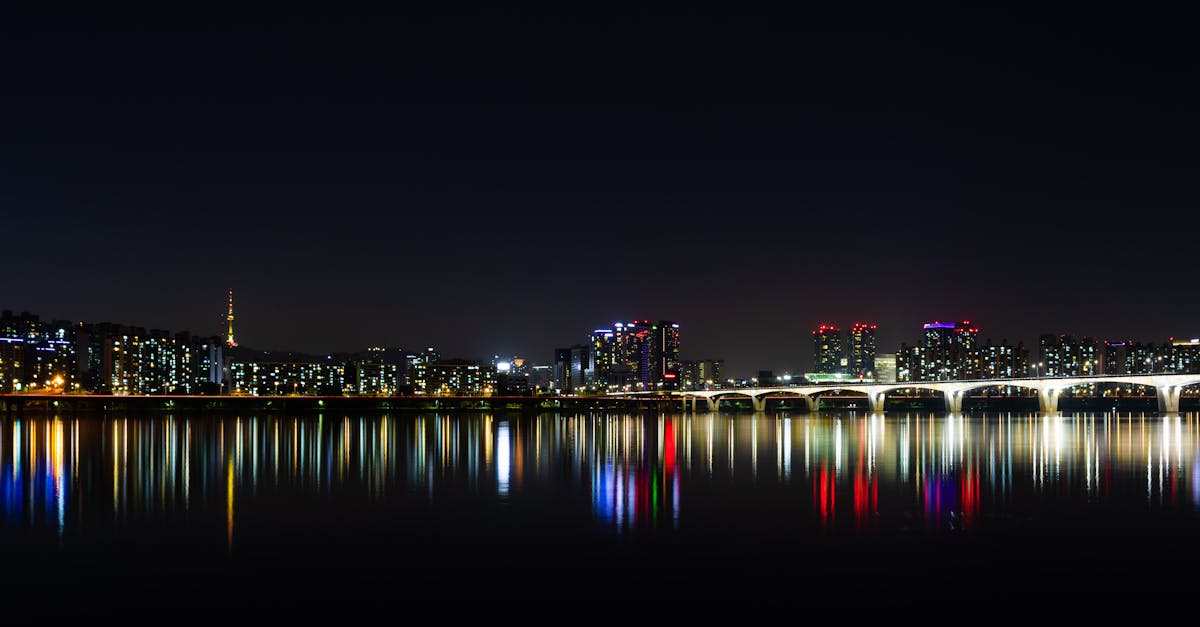
"Cold-water ocean swim and rolling bike course in the rugged beauty of Youghal."
🏊 Swim
Ocean swim in Youghal.
🚴 Bike
Rolling bike course in Youghal.
🏃 Run
Run through Youghal.
Transition Details
T1/T2 are in the same location · Surface: grass
Weather
Typical: 16°C, 70% humidity.
Registration
https://example.com/ironman-ireland
The Story
The Atlantic is not warm here. At 15°C off the coast of Youghal, County Cork, the ocean makes its expectations clear from the first stroke: this is not a Mediterranean holiday swim. This is an Irish ocean, cold and muscular, and it will be respected. Wetsuits are not optional — they are survival equipment, and even with 5mm of neoprene between skin and sea, the water grips your face and hands with a cold that takes 200 metres to process.
Ironman Ireland, based in the historic harbour town of Youghal since 2019, is the youngest Ironman on this list and already one of the most characterful. Where other races are designed for speed, Ireland is designed for experience — the Wild Atlantic Way kind of experience, where the beauty is inseparable from the wildness, where the sunshine that breaks through the clouds at mile 100 feels like a personal gift from a landscape that could just as easily have sent rain.
The bike course is the heart of it. 180 kilometres through the rolling Irish countryside with 1,000 metres of climbing — not the savage ascents of the Alps, but the persistent, unending undulation of County Cork's green hills. The roads wind through dairy farmland, past stone walls and hedgerows, through villages where the entire population has come out to cheer. Irish crowd support is legendary in endurance sport, and on the Ironman bike course it reaches its peak. Farmers lean on gates and shout encouragement. Children hold hand-painted signs. Someone, inevitably, is playing a fiddle. The 20 km/h average wind adds an Atlantic edge to every exposed section — this is Ireland, after all, and the wind is as much a part of the landscape as the green.
The run is a multi-loop course through Youghal that brings athletes past the medieval town walls, along the waterfront, and back through the town centre where the pubs have their doors open and the sound of live music drifts across the course. At 94 metres of elevation gain, the run is nearly flat — a mercy after the bike's rolling hills. The humid conditions — 70% on average at 16°C — keep the air thick without the punishing heat of summer races.
What the numbers don't capture is the atmosphere. Ironman Ireland's average finish time of 10:48 makes it one of the faster European races, but speed is almost beside the point. This race exists in a country where endurance is cultural currency. Ireland's relationship with suffering — literary, historical, athletic — means the crowd understands what athletes are going through in a way that transcends casual spectatorship. The cheering is not polite. It is personal, profane, hilarious, and relentless. Nobody in Ireland will let you quit without a fight.
With 1,389 finishers from 48 countries, the field is intimate by Ironman standards. The 54% international participation rate — the majority of athletes coming from outside Ireland — speaks to the race's draw as a destination event. Athletes come for the Wild Atlantic Way, for the craic, for the experience of racing in a country where sport and culture are inseparable. The 8% DNF rate is higher than average, a nod to the cold water, the rolling bike, and the wind — but every finisher carries their medal with a particular weight, knowing they earned it on Irish terms.
Youghal itself deserves mention. A town with 800 years of history, where Sir Walter Raleigh once had a house, where the medieval town walls still stand, where the harbour has seen everything from Viking longships to Ironman transition areas. The race has breathed new energy into the town, and the partnership between international sport and local community is visible everywhere during race week — in the decorated shopfronts, the volunteer crews, the post-race trad session in the pub that runs until the last finisher has a pint in hand.
"The Irish crowds don't cheer for you. They race with you. By the third lap of the run, strangers are calling you by name."
"Cold water, green hills, warm hearts. Ireland is the Ironman that feels like coming home."
"I've raced in 30 countries. Nobody — nobody — does crowd support like the Irish. They make you believe you can do things you cannot do."
What It Feels Like
Ironman Ireland is the race that proves a course doesn't need to be flat or fast to be great. The cold swim tests your preparation. The rolling bike tests your patience and power management. The flat run rewards everything you've saved. And through it all, the Irish atmosphere — the crowds, the landscape, the sheer force of communal encouragement — adds a dimension that no other Ironman can replicate. The 8% DNF rate reflects real difficulty; the 10:48 average finish time reflects athletes who respected that difficulty and raced smart.
🏊 The Swim
The Atlantic off Youghal at 15°C is the most honest start in European Ironman racing. The cold hits you immediately — face, hands, feet — and the first 300 metres are an exercise in controlled breathing while your body adjusts. Wetsuits are mandatory in all but name. The ocean can produce swells, and the Atlantic currents demand strong sighting and awareness. This is not a swim for the unprepared. But once the cold-water shock passes, the rhythm settles, and the swim becomes a test of technique and composure. Athletes who've acclimatised to cold water find the Irish swim exhilarating rather than punishing.
🚴 The Bike
The rolling countryside of County Cork is a 180-kilometre conversation with the landscape. The 1,000 metres of climbing never spikes into dramatic gradients — it's the constant up-and-over of Irish hills, 2-4% pitches that individually feel trivial but accumulate into a full day's climbing. The hedgerow-lined roads are occasionally narrow, the surfaces variable, and the 20 km/h Atlantic wind is a constant companion on exposed sections. The reward is the scenery — impossibly green farmland, stone walls, distant coastline — and the crowd support at every village. Irish spectators on the bike course are not gathered at designated zones; they're everywhere, all day, as if the entire county has decided to spend Sunday shouting at strangers in lycra.
🏃 The Run
The Youghal run is a relief after the rolling bike — nearly flat at 94 metres of elevation, looping through the medieval town with its harbour views and stone walls. The 16°C temperature and 70% humidity create thick air that slows your pace without the punishing heat of warmer races. The multi-loop format means the town's crowd gets to see you multiple times, and the atmosphere builds with each pass. By the final loop, the pub doors are open, the music is playing, and every step carries the weight of an entire town willing you to finish.
Legendary Moments
Youghal's First Ironman
Ironman Ireland launches in the historic County Cork harbour town. Despite being the newest European Ironman, the race immediately establishes itself through the quality of Irish crowd support and the beauty of the Wild Atlantic Way countryside.
The Return After Covid
After pandemic cancellations, Ironman Ireland returns to Youghal with a field desperate to race. The emotional intensity of the first post-lockdown edition — athletes and spectators alike — creates one of the most memorable days in the race's young history.
48 Nations in Cork
Ironman Ireland draws athletes from 48 countries, with 54% traveling internationally — one of the highest international rates in European Ironman racing. The race's reputation for atmosphere has spread by word of mouth faster than any marketing campaign.
The Fastest Average Day
Favourable conditions — light Atlantic winds, 18°C air, calm seas — produce the race's fastest average finish time. The 10:48 average reflects both improving course management and a field increasingly composed of experienced athletes drawn by Ireland's unique character.
💡 Insider Tips
- → Cold-water acclimatisation is the single most important preparation for this race. The Atlantic at 15°C will shock unprepared swimmers. Spend at least 4 weeks doing regular open-water swims below 16°C. Invest in a high-quality neoprene swim cap and consider neoprene gloves for warmth.
- → The bike course's 1,000 metres of climbing is spread across constant rollers, not major climbs. Train with long rides that feature persistent 2-4% grades rather than steep hill repeats. Your ability to maintain steady power across hours of undulation matters more than your peak climbing wattage.
- → The Atlantic wind is unpredictable in direction and intensity. Bring a range of wheel options or opt for a safer setup (50-60mm front, 60-80mm rear). Disc wheels on the exposed coastal sections are risky in 20+ km/h gusts.
- → Irish race-day weather can change rapidly. Pack a rain gilet in your bike special-needs bag. If the weather turns — and in Ireland, it can — having a dry layer makes the difference between a bad patch and a crisis.
- → The 70% humidity at 16°C doesn't sound extreme, but the thick air makes breathing harder than the temperature suggests. Practice running in humid conditions. Electrolyte intake should be higher than you'd expect for a cool-weather race.
- → Embrace the craic. The Irish crowd wants to engage with you. Wave back. Smile. Take the jelly babies from the kids. The energy exchange between athletes and spectators in Ireland is a genuine performance enhancer — athletes who engage with the crowd consistently report better run splits than those who tune it out.
Prepare for This Race
More Races in Ireland
Cork · 51.5km · olympic
Dun Laoghaire · 113km · half-ironman
Dublin · 51.5km · olympic
Cork · 113km · half-ironman
Galway · 51.5km · olympic
Galway · 113km · half-ironman
FAQ
What distance is the Ironman Ireland? +
The Ironman Ireland is a Ironman (Full Distance) distance triathlon: 3800m swim, 180km bike, and 42.2km run (226km total) in Youghal, Ireland.
When is the Ironman Ireland? +
The next edition is on August 16, 2026. The race is typically held in August.
Water temperature and wetsuit rules? +
Ocean water at 15°C average. Wetsuits are allowed.
How hilly is the bike course? +
1000m of climbing over 180km. Profile: rolling. Drafting not allowed.
What's the weather like on race day? +
9–20°C, 70% humidity, 5% rain chance, 20 km/h winds.
Average finish time? +
Approximately 10h 48m. Varies with conditions and athlete experience.
Are you the race organizer?
Claim This RaceFree · Get featured on our homepage · Edit your race details