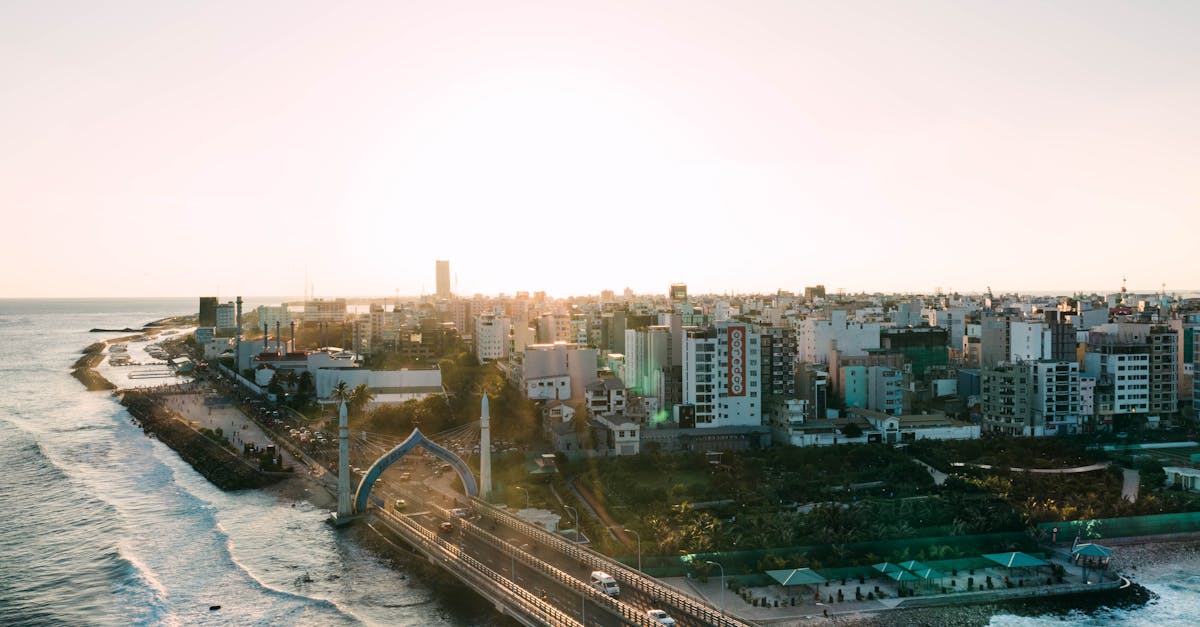
"One of the most scenic triathlon courses in the world — swim, bike, and run through the beauty of Sado Island."
🏊 Swim
Ocean swim in Sado Island.
🚴 Bike
Hilly bike course in Sado Island.
🏃 Run
Run through Sado Island.
Transition Details
T1/T2 are in the same location · Surface: grass
Weather
Typical: 25°C, 65% humidity.
Registration
https://example.com/ironman-japan
The Story
Sado Island floats in the Sea of Japan like a fragment of another century. Two hours by ferry from the mainland port of Niigata, the island was once a place of exile for political dissidents, emperors, and artists. Today, it's home to 50,000 people, terraced rice paddies that cascade down volcanic hillsides, ancient cedar forests, and a tradition of taiko drumming that fills the night air with rhythms older than the samurai. When Ironman chose Sado Island for its Japanese race in 2023, they were placing a triathlon in a landscape that operates by different rules than anywhere else in the sport.
The organisational precision is what strikes you first. Japanese attention to detail, already legendary in hospitality and manufacturing, reaches a kind of apotheosis in race management. The aid stations are not just stocked — they are curated. Each one laid out with geometric precision, cups aligned, volunteers bowing as athletes approach, the food cut into identical portions. Waste is collected instantly. Directions are given with clarity that borders on artistry. If every Ironman were organised like Japan, the sport would be a different thing entirely.
The swim takes place in the ocean off Sado's western coast, where 24°C water — warmer than you'd expect this far north — provides a surprisingly comfortable start. The conditions are variable; the Sea of Japan can shift from glass-calm to moderate swells within hours, and the currents require attentive sighting. But the warm water and the island setting — volcanic coastline, forested hillsides rising directly from the shore — create a swim that feels remote and wild in a way that mainland Ironman courses cannot achieve.
The bike course is the revelation. 180 kilometres around and across Sado Island with 1,200 metres of climbing through terrain that is equal parts agricultural and volcanic. The roads are immaculate — this is Japan, after all — and the hills roll through rice paddies, cedar groves, and fishing villages where the architecture hasn't changed in centuries. The climbing is persistent but never savage, and the descents are technical enough to reward skill without punishing caution. At an average of 22 km/h wind, the exposed coastal sections add an element of unpredictability. But the beauty of the bike course — the layered greens of the rice terraces, the ocean views at every headland, the quiet intensity of riding through a landscape that predates modernity — makes every pedal stroke feel like a privilege.
The run is a flat loop course through Sado's main town, with 113 metres of elevation — gentle enough that the focus shifts entirely from terrain to execution. The September heat — averaging 25°C with 65% humidity — demands respect. This is a warm, humid run, and athletes accustomed to European autumn conditions will find the climate challenging. But the Japanese spectators along the run course provide a quality of support that is unique in Ironman racing: quiet, focused, deeply respectful. There is no screaming. There are bows. There are precise, encouraging words. There are handmade signs with calligraphy that must have taken hours. It is encouragement refined to its essence.
Ironman Japan is the newest race on this list, established in 2023, and already it feels like an event that has existed for decades. The 2,720 finishers from 74 countries in 2024 reflect a race that immediately captured international attention. The 3% DNF rate — astonishingly low for a hilly course in warm conditions — is a testament to the quality of organisation and athlete care. The average finish time of 11:48 is honest, reflecting a course that tests you without punishing you.
The cultural immersion is the hidden distance. Athletes who travel to Sado Island don't just race an Ironman — they enter a Japan that most tourists never see. The taiko drum performances on the night before the race. The onsen hot springs that become the ultimate recovery tool. The fresh sashimi at tiny harbourside restaurants. The morning mist rising off rice paddies. Ironman Japan is a race wrapped inside a cultural experience, and the two are inseparable.
"I have raced thirty Ironman events across twenty countries. Japan is the only one where the aid station volunteers bowed to me. It changed something inside my chest."
"Sado Island is not where you go to race fast. It's where you go to race beautifully."
"The Japanese have turned race organisation into an art form. Everything is precise, anticipated, and delivered with a grace that makes you feel like the most important person in the world."
What It Feels Like
Ironman Japan is the race that redefines what an Ironman can be. The course is honestly challenging — 1,200m of climbing, warm humidity, variable ocean conditions — but the organisational excellence and cultural depth transform the experience from endurance test to immersive journey. The 3% DNF rate in difficult conditions is proof that extraordinary athlete care makes a measurable difference. This is the Ironman for athletes who've done enough races to know that the time on the clock matters less than the quality of the day.
🏊 The Swim
The Sea of Japan off Sado Island at 24°C is warmer than the latitude suggests — the Tsushima Current pushes warm water north along the coast. Conditions are variable; calm mornings can give way to afternoon swells, and the currents around the island's headlands require careful sighting. The volcanic coastline provides dramatic scenery — forested hills rising directly from the water, rocky outcrops, and the occasional fishing boat anchoring the view. The single-lap course is well-organised with kayak support, and the warm water makes for a swimming experience that sits between tropical comfort and open-ocean respect.
🚴 The Bike
Sado Island's bike course is a 180-kilometre tour through a Japan most visitors never see. The 1,200 metres of climbing rolls through terraced rice paddies, cedar forests, and coastal fishing villages, the road surface impeccable throughout. The hills are persistent — 2-5% gradients that appear and disappear rhythmically — and the descents are technical enough to reward good handling. The coastal sections are exposed to 22 km/h average winds that can strengthen without warning. But the landscape is the thing: the layers of green, the volcanic geology, the ancient architecture appearing around every bend. This is not a course you suffer through. It's a course you experience.
🏃 The Run
The flat loop through Sado's main settlement — 113 metres of gentle rolling — shifts the challenge from terrain to climate. At 25°C and 65% humidity, the September air is thick and warm, and athletes from cooler climates will feel the moisture in every breath. The Japanese spectators along the run course offer encouragement of a quality found nowhere else in triathlon: precise, respectful, sustained. The aid stations are works of logistical art — everything you need, exactly where you need it, presented with care that borders on ceremony. The run is not fast, but it is unforgettable.
Legendary Moments
The Island Opens
Ironman Japan launches on Sado Island, the first full-distance Ironman in Japan. The choice of a remote island over a mainland city signals an event that prioritises experience over accessibility. The inaugural edition draws nearly 3,000 athletes and sets the standard for organisational excellence.
The Aid Station That Went Viral
Photographs of Sado Island's immaculately arranged aid stations — cups in perfect rows, volunteers in matching uniforms, waste sorted into colour-coded bins — circulate globally. The images crystallise the difference between Japanese race organisation and everything else.
74 Nations on a Remote Island
In just its second year, Ironman Japan draws athletes from 74 countries — one of the highest international participation rates in Ironman history. The combination of Japanese culture, Sado Island's beauty, and organisational reputation has created demand that far exceeds the race's 3,000-athlete capacity.
The 3% DNF
Despite warm conditions and 1,200 metres of climbing, Ironman Japan records a DNF rate of just 3% — the lowest of any hilly Ironman course worldwide. The meticulous athlete care, precise aid station management, and volunteer attentiveness are credited with keeping nearly every starter on course.
💡 Insider Tips
- → Acclimatise to the heat and humidity. At 25°C and 65% humidity, Sado Island in September is warmer and stickier than most European autumn races. Use sauna protocols or hot-weather training for at least two weeks before the race. Your cooling strategy — ice in the jersey, cold sponges, water over the head — should be rehearsed and automatic.
- → The ferry to Sado Island from Niigata takes two hours. Build this into your travel plan — arrive on the mainland at least a day before you need to be on the island. The ferry schedule is fixed and limited, so book tickets well in advance during race week.
- → The bike course's 1,200m of climbing is distributed across constant rollers. Train with long rides featuring persistent 3-5% grades. The descents are technical with some tight corners — practice descending at speed on unfamiliar roads. Japanese road surfaces are excellent but the corners are tighter than European equivalents.
- → Embrace the cultural experience. The pre-race taiko drumming, the onsen (hot spring baths), the local sashimi — these are not tourist add-ons but genuine elements of Sado Island life. An onsen session the day before the race is excellent for muscle relaxation and sleep quality.
- → The aid stations are exceptional but may offer unfamiliar nutrition options alongside standard gels and bars. Japanese sports nutrition includes items like rice balls (onigiri) and miso soup that are highly effective if you've practiced with them. Carry your own nutrition as a baseline and supplement with what the course offers.
- → Bring cash. Sado Island is rural Japan, and many establishments — restaurants, shops, even some accommodations — operate on a cash-only basis. ATMs are available but may have limited English-language options. Download offline Japanese translation on your phone before leaving the mainland.
Prepare for This Race
More Races in Japan
Tokyo · 26km · sprint
Yokohama · 51.5km · olympic
Mihama · 113km · half-ironman
Osaka · 25.75km · sprint
Tokyo · 26km · sprint
Tokyo · 12.9km · super-sprint
FAQ
What distance is the Ironman Japan? +
The Ironman Japan is a Ironman (Full Distance) distance triathlon: 3800m swim, 180km bike, and 42.2km run (226km total) in Sado Island, Japan.
When is the Ironman Japan? +
The next edition is on September 10, 2026. The race is typically held in September.
Water temperature and wetsuit rules? +
Ocean water at 24°C average. Wetsuit rules are conditional.
How hilly is the bike course? +
1200m of climbing over 180km. Profile: hilly. Drafting not allowed.
What's the weather like on race day? +
18–31°C, 65% humidity, 5% rain chance, 22 km/h winds.
Average finish time? +
Approximately 11h 48m. Varies with conditions and athlete experience.
Are you the race organizer?
Claim This RaceFree · Get featured on our homepage · Edit your race details