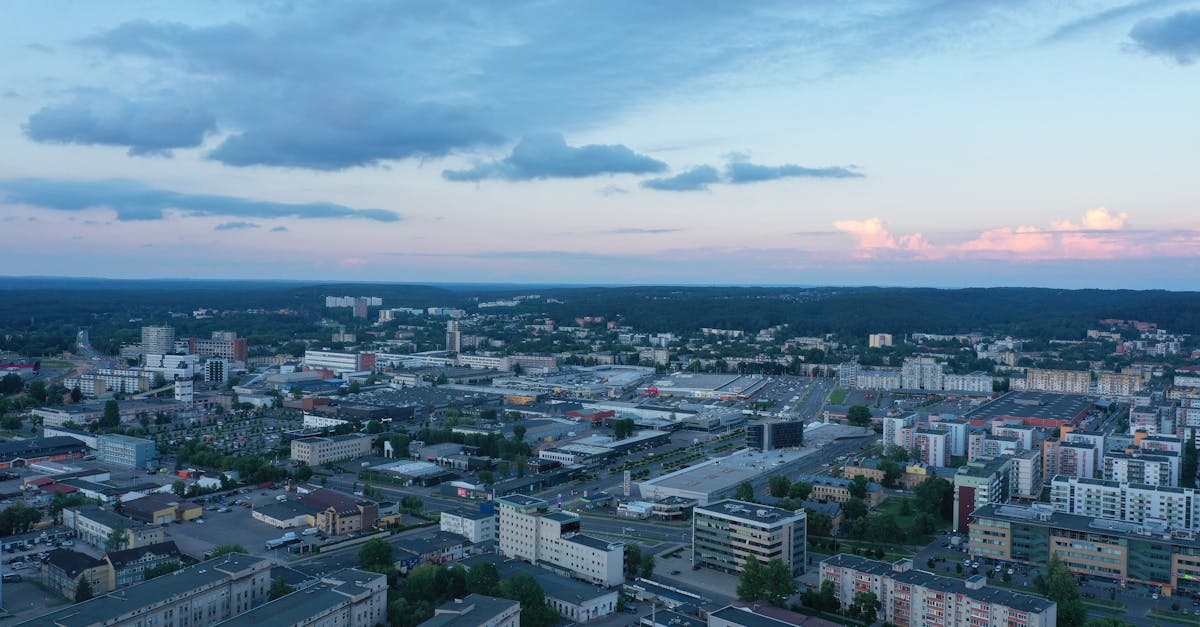
"One of the flattest Ironman courses in the world — ideal for first-timers and PB attempts."
🏊 Swim
Mediterranean swim off Calella beach, 50km north of Barcelona. Warm, salty water with generally calm conditions. A single out-and-back lap along the coast. Water temperature around 22-24°C.
🚴 Bike
Predominantly flat coastal course heading north along the Costa Brava and returning through Catalan countryside. Minimal climbing (600m total) with fast, smooth roads. Wind can be a factor on exposed coastal sections. One of the fastest Ironman bike courses.
🏃 Run
Flat four-lap run along the Calella beachfront promenade. The seaside course is exposed to sun but offers ocean breezes. Huge crowd support on the promenade, especially on the final lap. Fast course for PB chasers.
Transition Details
T1/T2 are in the same location · Surface: pavement
Weather
Typical race-day conditions: 19°C with 60% humidity.
Registration
https://www.example.com/ironman-barcelona
The Story
Calella is not Barcelona. This matters, and not just geographically. The small Catalan beach town, 50 kilometres up the Costa Brava from the Catalan capital, has none of Barcelona's Gothic grandeur, none of its Gaudí excess, none of its tourist saturation. What Calella has is a long, flat beach, a promenade that runs straight as a ruler for kilometres, and the particular clarity of Mediterranean light in October that makes everything look like it belongs on a postcard.
Ironman Barcelona, which has called Calella home since 2014, is one of the most deliberate courses ever designed. Every element was chosen to minimise suffering and maximise speed. The result is a race that has become the PB factory of European triathlon — a course so flat, so fast, and so climatically perfect that athletes who've never broken 12 hours elsewhere routinely crack 11 here. The average finish time of 11 hours and 12 minutes across 3,500 finishers isn't a statistical quirk; it's the course doing exactly what it was built to do.
The swim is a Mediterranean gift. 22°C water — warm enough to feel welcoming, cool enough to prevent overheating. The salt content provides natural buoyancy. The single out-and-back lap parallels the Calella coastline, and on a calm October morning, the Mediterranean is a lake. You can see the sandy bottom in the shallows, the water shifting from turquoise to deep blue as you head offshore. Conditions are generally calm, though the occasional autumn swell can surprise athletes used to pool swimming. Average swim splits of exactly one hour reflect the forgiving nature of the course.
The bike is where the speed really lives. 180 kilometres along the Costa Brava and through the Catalan hinterland, with 800 metres of elevation gain that registers as "rolling" only on the most technical classification. In reality, the course is flat — genuinely, honestly flat in the way that only a coastal plain can be. The roads are wide, the surfaces excellent, and the October temperatures of 19-24°C sit in the goldilocks zone for cycling performance: warm enough that your muscles work efficiently, cool enough that you never overheat. Average bike splits of 5:36 put Barcelona among the three fastest Ironman bike courses in the world.
The run is four laps along the Calella beachfront promenade, and it is here that the race's character fully reveals itself. The promenade is flat. The ocean is on one side. The town is on the other. The sun, lower in the October sky than it would be in summer, angles across the course in a way that provides warmth without punishment. The crowd lines the promenade like a parade route, and each of the four laps delivers athletes past the same enthusiastic faces. There is something almost hypnotic about the repetition — the rhythm of the laps, the sea breeze, the steady pace that the flat terrain encourages.
With 3,500 finishers from 45 countries, Barcelona is one of the largest Ironman events in Europe. The 60% international participation rate — higher than almost any other European Ironman — speaks to its draw as a destination race. Athletes fly in from across the continent, spend a week in a Mediterranean beach town, and go home with a finish time that justifies the trip. The 4% DNF rate is among the lowest anywhere, and 35% female participation places it at the leading edge of the sport's gender balance.
After the finish, the beach is still there. The Mediterranean is still warm. The promenade restaurants are still open. The post-race recovery in Calella — sand between your toes, cold beer in your hand, the compression socks peeled off and the Ironman wristband still on — is the final element of a race designed from the ground up to make the entire experience, not just the racing, as good as it can possibly be.
"Barcelona is not the race that defines you. It's the race that rewards you. Every course decision favours the athlete."
"I took 47 minutes off my previous Ironman time. Same fitness, same training. Different course. Barcelona is that fast."
"The promenade run in the October light, with the sea on your left and 10,000 people cheering — it's the closest triathlon gets to a victory lap."
What It Feels Like
Barcelona is the race you choose when you want to go fast. Everything — the warm, calm swim, the pancake-flat bike, the sea-level promenade run, the October climate — has been optimised for speed. The 11:12 average finish time is the proof. This is not a course that tests your ability to suffer through adversity. It tests your ability to execute your best race when conditions are perfect. For many athletes, that's the harder challenge.
🏊 The Swim
The Mediterranean in October is a swimmer's reward for surviving the year. At 22°C, the salty water cradles you with natural buoyancy while the temperature keeps your effort sustainable. The out-and-back course parallels the Calella beach, and sighting is straightforward — the coastline is your constant reference. On calm days, which are the norm, this is one of the fastest and most pleasant swims in Ironman racing. The 1:00 average split across the entire field tells you everything: the water lets you swim, rather than fighting you.
🚴 The Bike
This is a time-trial course with a Mediterranean backdrop. The 800 metres of elevation gain is cosmetic — the road rolls so gently you barely shift gears. The Catalan countryside unfolds in wide, smooth straights with excellent tarmac and minimal technical corners. At 19-24°C, the October air is cool enough to keep your power output high without cooling strategies. Wind can be a factor on exposed coastal stretches, but rarely exceeds 16 km/h on race day. The 5:36 average bike split is not an accident — it's the course doing what it was designed to do.
🏃 The Run
Four laps on the Calella beachfront promenade, flat as a spirit level, with the Mediterranean on one side and a wall of spectators on the other. The repetitive course structure is either a psychological gift or a challenge, depending on your mindset — knowing exactly what each lap holds eliminates uncertainty but demands mental discipline. The October sun sits lower in the sky, casting long shadows and keeping temperatures manageable. Ocean breezes provide natural cooling. The 4:36 average run split places this among the fastest Ironman marathon courses worldwide.
Legendary Moments
Calella Gets Its Ironman
The first Ironman Barcelona takes place in the Costa Brava beach town. The flat course and Mediterranean conditions immediately produce fast times, and the race sells out within months of results being published.
The Three-Thousand Barrier
Barcelona becomes one of the first European Ironman events to exceed 3,000 finishers, driven by its reputation as a PB course and the appeal of an October Mediterranean race.
The Perfect Day
Glass-calm Mediterranean waters, 20°C air temperature, and zero wind produce the fastest average finish time in the race's history. Dozens of age-group records fall. The post-race beach celebrations last until midnight.
45 Nations on the Beach
A record 45 countries are represented among 3,850 entrants, with 60% traveling internationally. Barcelona has become European triathlon's most cosmopolitan race, drawing athletes from every continent for its unique combination of speed and Mediterranean atmosphere.
💡 Insider Tips
- → This is a PB course, but only if you race it like one. Set an aggressive-but-sustainable power target for the bike and do not exceed it in the first half. The flat terrain will tempt you to push 10 watts above plan — resist. The four-lap run punishes early overcooking mercilessly.
- → The Mediterranean can surprise you with autumn swells. Practice open-water swimming in conditions ranging from flat to moderate chop. If you've only swum in pools, the ocean swell at the turnaround point can be disorienting.
- → October in Calella means 19°C average, but the sun at noon on a clear day can push bike-course temperatures to 24°C. Sun protection — arm sleeves, sunscreen on the neck — prevents the kind of slow-burn sunburn that compounds into run-course suffering.
- → Arrive at least 4 days early. Calella is a small town that transforms during race week — restaurants fill up, the beach becomes a triathlon village, and the pre-race atmosphere is part of the experience. The Barcelona airport shuttle or train gets you there in under 90 minutes.
- → The four-lap run is a mental game. Break it into two halves: laps 1-2 are 'hold pace and feel easy,' laps 3-4 are 'hold pace and feel hard.' Knowing the course intimately by lap three is an advantage — you can anticipate every aid station, every turn, every section of shade.
- → Post-race, the Calella beach is your recovery room. Pack a bag with dry clothes and leave it at the finish area. The combination of cold Mediterranean water on your legs, sand under your back, and the Ironman wristband still warm on your arm is the best post-race therapy money can't buy.
Fun Facts
- ▸ One of the flattest Ironman courses in the world — ideal for first-timers and PB attempts.
- ▸ Calella is known as the 'Capital of Costa Brava' and offers excellent post-race beach recovery.
- ▸ The race regularly attracts 3,000+ athletes from across Europe.
Prepare for This Race
More Races in Spain
Calella · 113km · half-ironman
Salou · 226km · ironman
Barcelona · 26km · sprint
Palma · 51.5km · olympic
Palma · 113km · half-ironman
Puerto del Carmen · 113km · half-ironman
FAQ
What distance is the Ironman Barcelona? +
The Ironman Barcelona is a Ironman (Full Distance) distance triathlon: 3800m swim, 180km bike, and 42.2km run (226km total) in Calella, Spain.
When is the Ironman Barcelona? +
The next edition is on October 7, 2026. The race is typically held in October.
Water temperature and wetsuit rules? +
Ocean water at 22°C average. Wetsuit rules are conditional — forbidden above 24.5°C.
How hilly is the bike course? +
800m of climbing over 180km. Profile: rolling. Drafting not allowed.
What's the weather like on race day? +
14–24°C, 60% humidity, 31% rain chance, 16 km/h winds.
Average finish time? +
Approximately 11h 12m. Varies with conditions and athlete experience.
Are you the race organizer?
Claim This RaceFree · Get featured on our homepage · Edit your race details